From tasks to transformation: how our portfolio is putting AI to work for impact
- News
- Impact
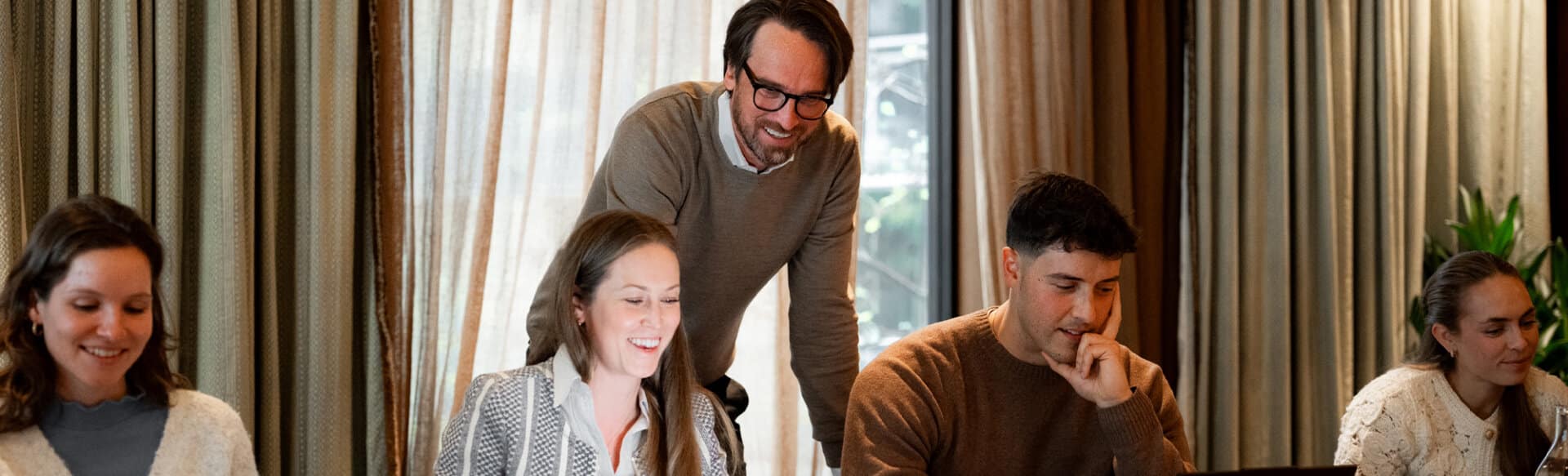
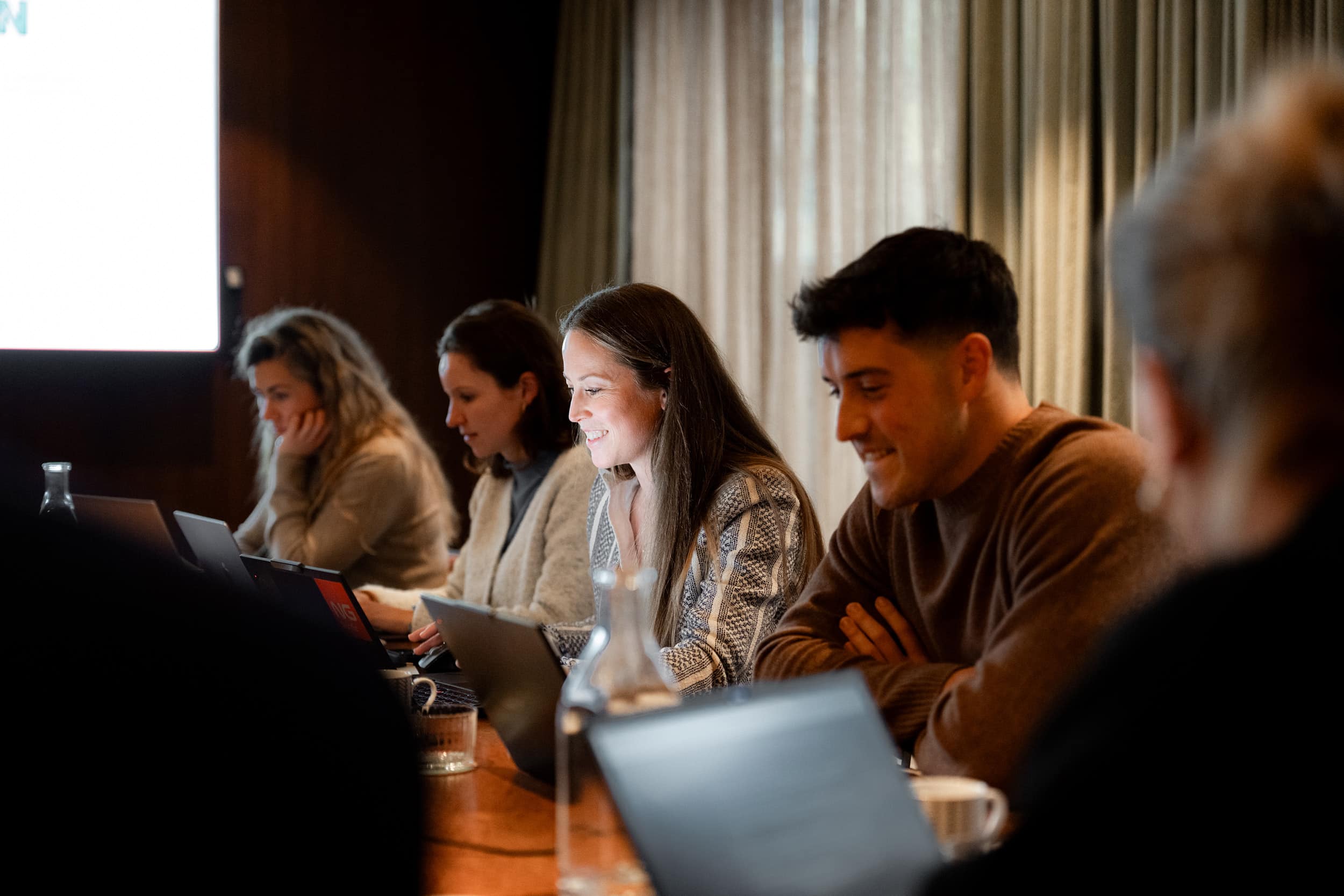
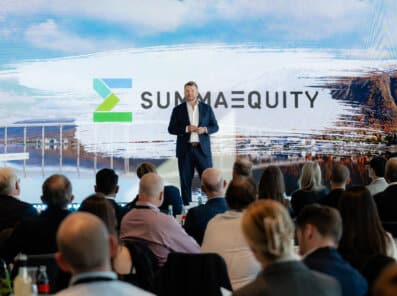
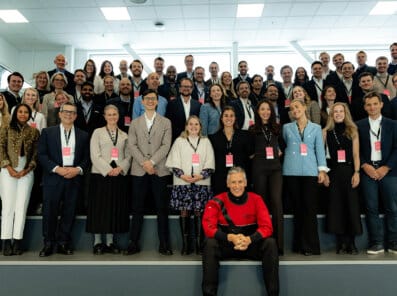
At Summa, we believe the companies that will lead the transition are those that put new technologies to work for impact. This fall, sustainability leads from across our portfolio met in Oslo to explore how AI can make sustainability work more effective without compromising on responsibility.
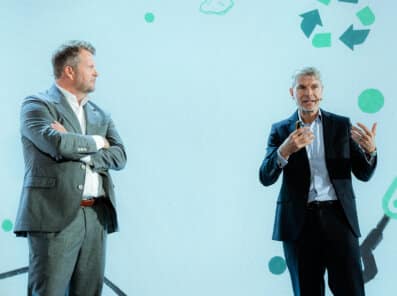
The day opened with responsible use. Heaven Bereket, a data science and AI business translator, explained what the EU AI Act means in practice. Her definition was simple: a responsible company can explain its AI, control it and own the outcome. Social and environmental well-being is one of the principles behind the Act, so sustainability is part of the definition of responsible AI, not an add-on. Her advice was equally practical. Build AI risk into the compliance processes you already have rather than starting a separate project. And remember that whoever shares AI-generated work still owns it.
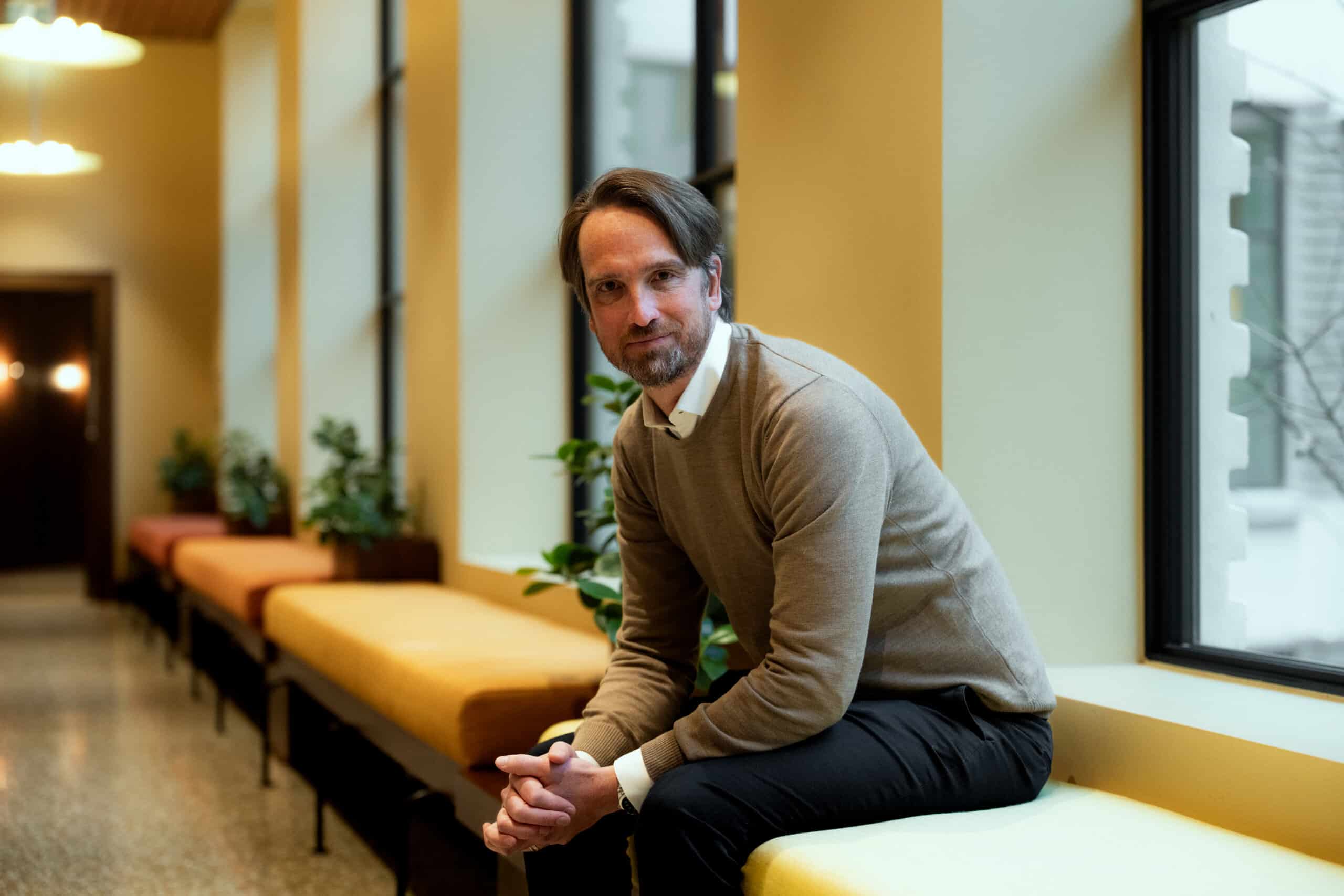
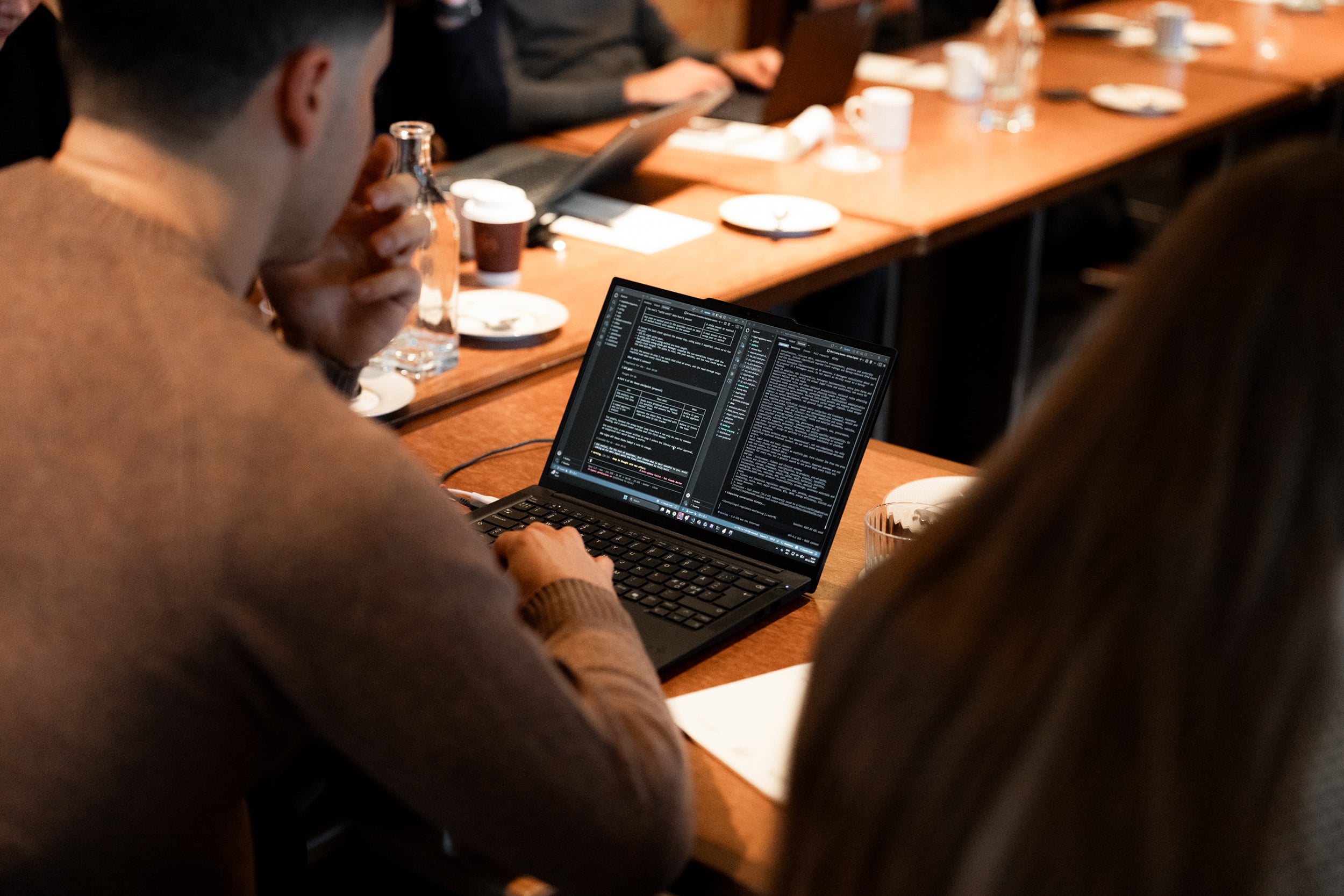
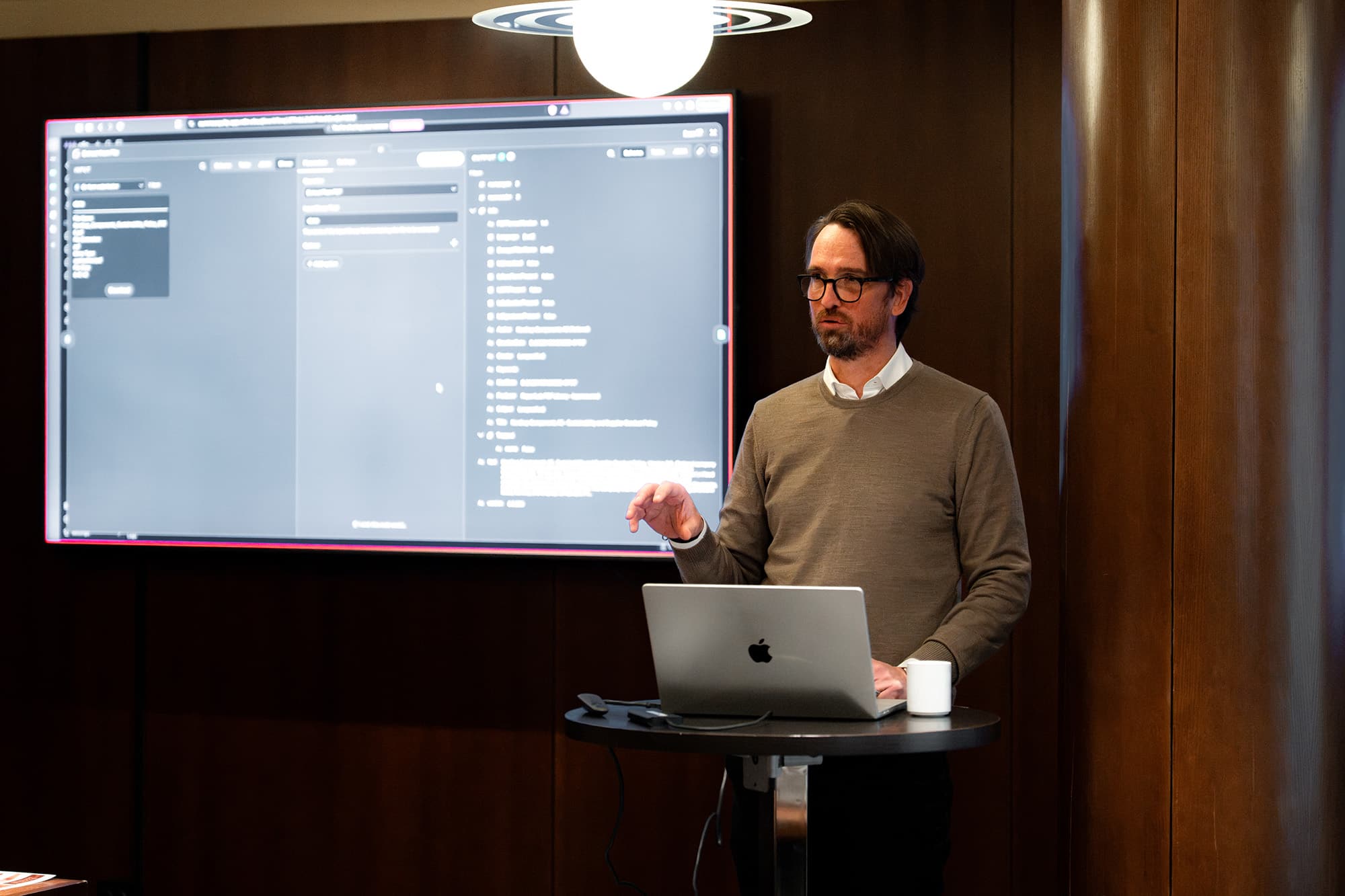
In the afternoon, Ian Vännman, Chief Digital and AI Officer at Via Summa, moved from principles to practice with a hands-on session and hackathon. We asked him about the day and about how Summa works with AI across the portfolio.
Where is the portfolio on AI today?
AI is already part of daily work across our portfolio, and several companies have moved on to building their own tools and agents. That’s the starting point, not the goal. The real value comes when companies stop applying AI to individual tasks and redesign how the work itself gets done. That’s where we focus.
How does Summa drive that?
On two levels. Across the portfolio, we build capability through communities for CEOs, CFOs, product and technology leaders and impact teams, so that what works in one company spreads to the others. In February, around 40 portfolio leaders will meet in Munich for two days dedicated to AI. Alongside that, we work directly with companies where AI can change the business itself, from pricing and operations to how products are built.