From the edge of the map: perspectives from the Summa Summit 2026
- News
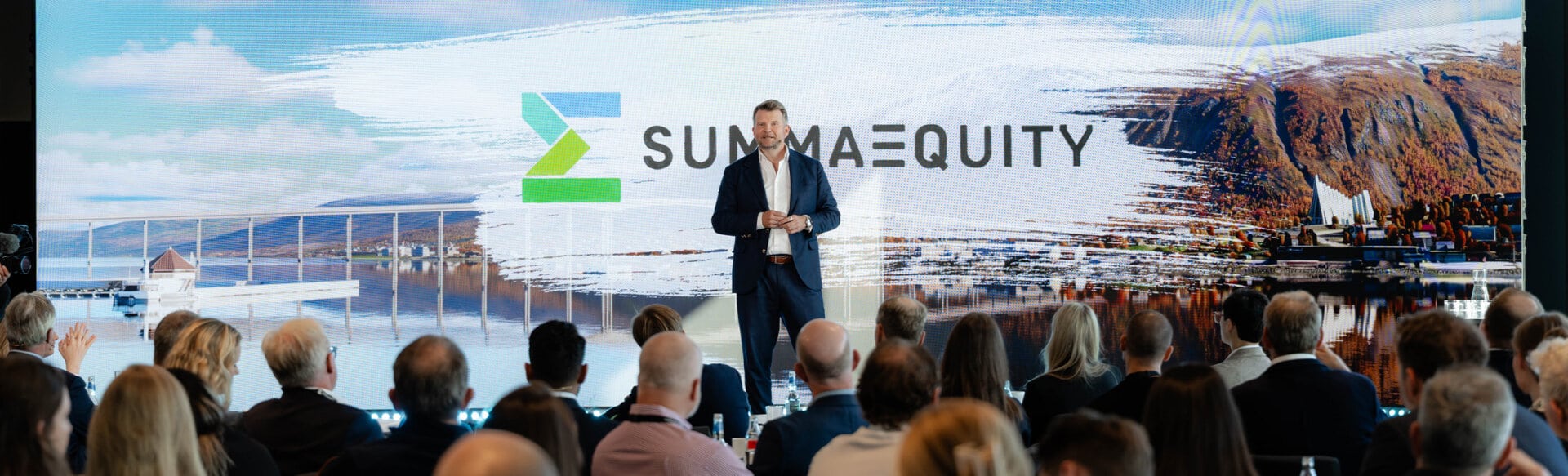
To mark its 10th anniversary, Summa gathered investors, portfolio leaders, advisors and Summates in Tromsø, high in the Norwegian Arctic and the hometown of Founder and Managing Partner Reynir Indahl, for its annual Summa Summit and Annual Investor Meeting.
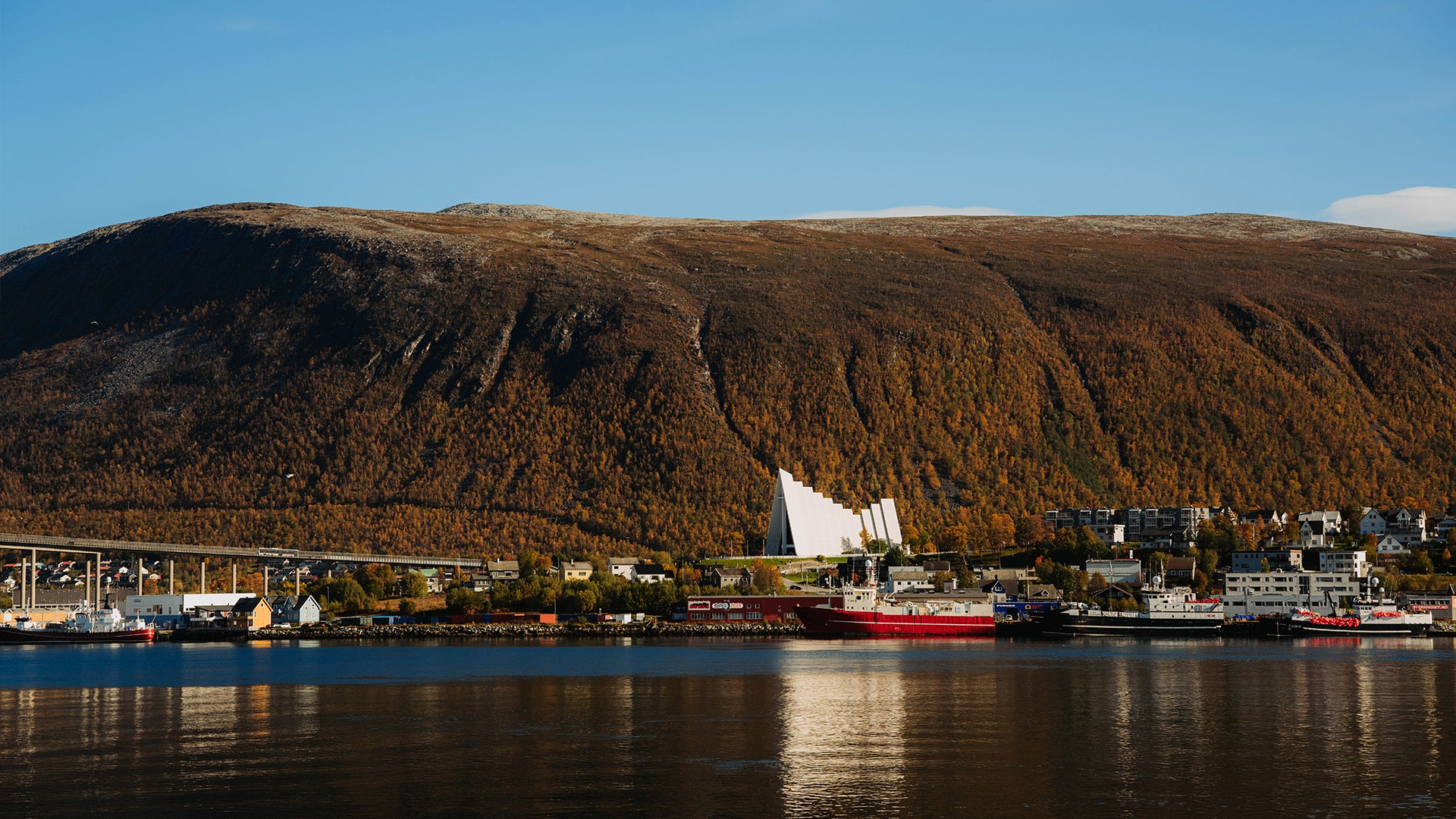
As guests took their seats, archive footage of Amundsen and the great polar expeditions played across the screen, a fitting way to begin in a city that has long been a departure point for those setting out into the unknown, and now a gathering place for people trying to read a world in rapid change.
Over the two days, leading external voices helped Summa make sense of the forces remaking the global economy, from geopolitics and artificial intelligence to energy and water, and what they mean for how and where the firm invests. One thread ran through every conversation: the challenges reshaping our world are also, for the right owner, where the opportunity lies, across Circularity, Sustainable Food, Energy Transition and Tech-Enabled Resilience.
Fractured geopolitics and resilient systems
Professor Cecilie Hellestveit from NTNU described the current state of the world as one of major transition driven by interacting forces, such as increased US-China rivalry and the race for frontier technologies, the rise of regional powers, growing risks of war and hybrid conflict, and emerging risks linked to AI, biotechnology and autonomous systems.
For investors, these shifts are reshaping technology, supply chains, energy systems and regional markets. They also create opportunities for companies that can support resilience, improve efficiency and solve practical challenges in essential systems.
Head of Energy Transition investments at Summa, Gisle Glück Evensen pointed to increased supply insecurity and energy price volatility as signs that a new energy system is needed, one that is based on greater flexibility, renewable sources and better use of existing infrastructure.
“Electrification is the answer”, Glück Evensen said.
AI as opportunity and responsibility
AI was a prominent topic across both the Summit and AIM. Victor Galaz of the Stockholm Resilience Centre reflected on the hopes attached to AI almost a decade ago, including its potential as a scientific tool to answer critical sustainability questions and generate insights that benefit the planet.
At the same time, he also noted that AI’s development brings significant risks and responsibilities. “With big capital comes big responsibilities.”
Some of Summa’s portfolio companies brought the discussion to life through practical examples. NG Nordic, the Nordic provider of waste management solutions, showed how AI can help optimise material flows, from logistics and pricing to production and matching materials with the right downstream solutions.
Oda, the Nordic online grocery platform, demonstrated how AI is being used to improve customer experience by helping customers fill their carts more quickly based on their purchase history, preferences and even the weather. Together, the examples showed how AI is already being applied to improve efficiency, decision-making and practical business outcomes.
The growing relevance of Summa’s investment themes
Earlier this year, Summa was placed fourth in the HEC-Dow Jones Performance Ranking, becoming the first and youngest dedicated thematic investment fund to enter the top five. Professor Oliver Gottschalg, creator of the ranking, came to Tromsø to explain what separates consistently strong performers from the others.
“They focus on their strengths. They have developed a distinct area of expertise and built their investment approach around it,” Professor Gottschalg said of the ranking top firms.
Professor Gottschalg and Reynir Indahl highlighted the importance of sticking to Summa’s strengths going forward. “Summa is very likely to be among the top performers for a long time,” Professor Gottschalg said.
Across the two days, the discussions reinforced the relevance of the challenges at the heart of Summa’s investment strategy. Geopolitical fragmentation, AI, the energy transition, the planetary boundaries and growing environmental constraints are altering the systems economies depend on and work within, increasing the need for solutions that make the world more resilient.
Tibber, for example, is helping make the electricity system more flexible and efficient as electrification increases demand and adds more variable renewable generation, while Dignio, one of Summa’s newest investments, is addressing growing pressure on healthcare systems by bringing more care into the home.
The discussion on water underlined the growing need for solutions that can strengthen the resilience of essential systems. Glaciologist Dr Heïdi Sevestre offered first-hand insights on how the loss of ice and snow is already affecting water availability far beyond the Arctic.
“There is no adaptation possible without mitigation.” – Dr Heïdi Sevestre
She highlighted how shrinking glaciers and changing snow patterns are affecting water availability for agriculture, industry, energy production and drinking water, underlining that societies everywhere are connected to the cryosphere.
Better positioned than ever
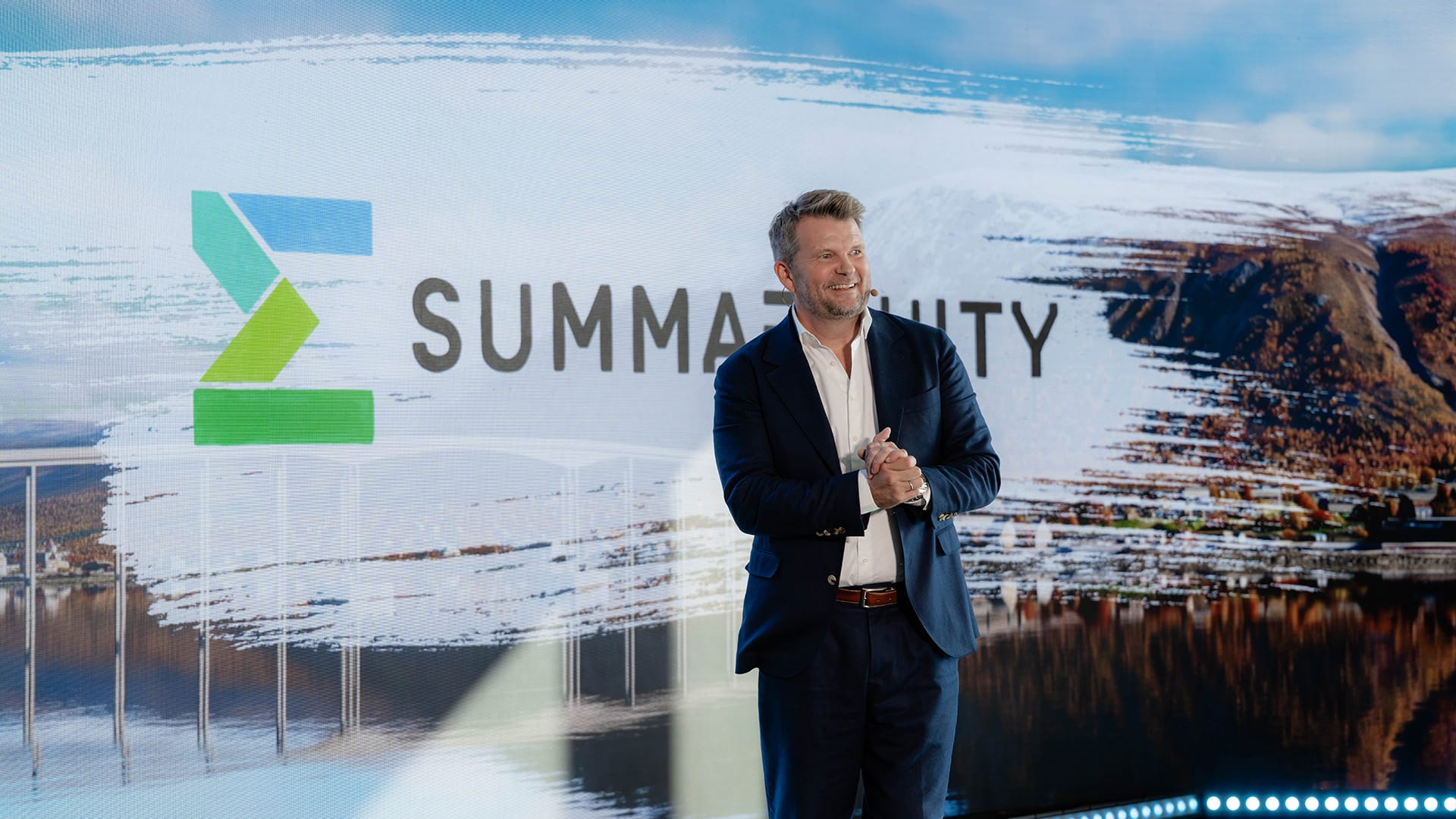
In his closing remarks, Reynir Indahl reflected on Summa’s first decade and the opportunities ahead, emphasizing the importance of backing companies with strong unit economics that can thrive amid continued volatility.
“Ten years ago, we set out to prove that the world’s biggest challenges could also represent compelling investment opportunities. Today, we have demonstrated the financial case and are better positioned than ever for what comes next,” he concluded.
The Summa Summarum newsletter
Sign up to our newsletter
Latest readings
News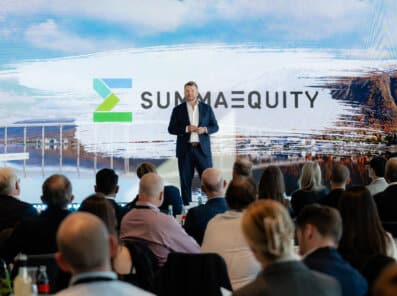
From the edge of the map: perspectives from the Summa Summit 2026
Read more
Close to home: reflections from Summa’s Annual Investor Meeting 2026
Read more
The state of the planet in 2025
Read more
The defining investment opportunity of our generation
Read more
Building leadership for an uncertain world: Summa Equity’s CEO Learning Journey at INSEAD
Read more