Pioneering Circularity
NG Nordic at a glance & key developments in 2025
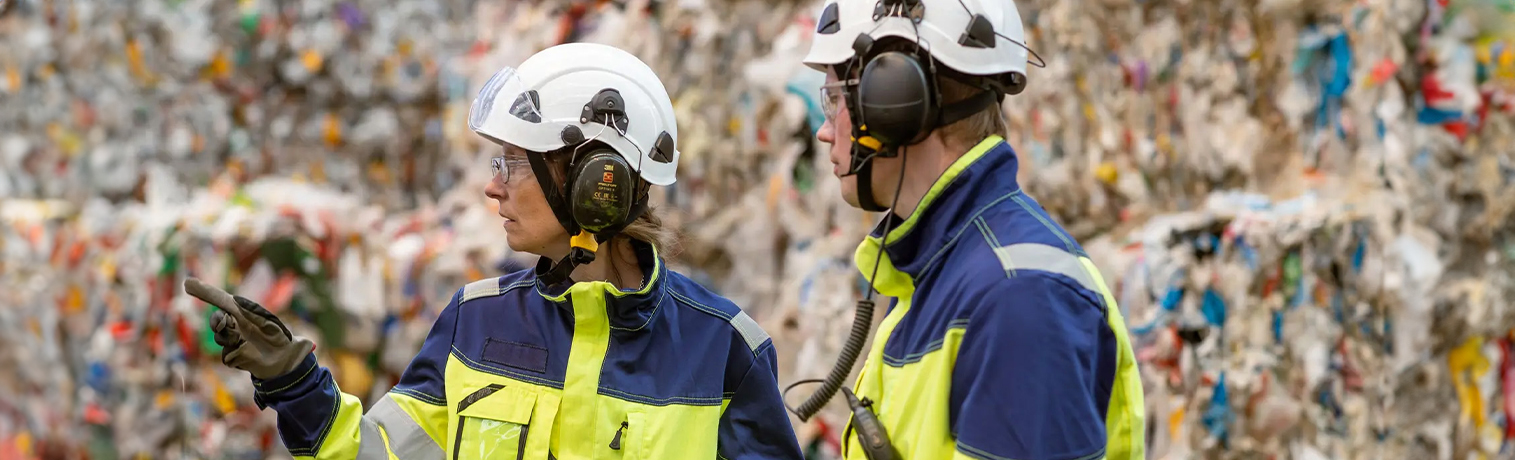
NG Nordic (NG) is a leading Nordic provider of circular solutions and environmental services. By transforming waste into valuable resources and removing hazardous substances from circulation, NG reduces emissions and protects ecosystems. With a market-leading position across the Nordics, NG operates ~90 processing sites, handling ~4.8m tonnes of waste annually, including ~500k tonnes of hazardous waste, excluding landfill.
Following the merger of NG Group and Fortum Recycling & Waste (FRW) in 2024, 2025 marked the successful integration of the two businesses into NG Nordic, creating a leading Nordic platform for circular and depollution services. A combined impact roadmap aligned with NG’s strategy was finalized, covering pollution prevention, the circular economy and emissions, enabling high taxonomy alignment and measurable impact.
- Year acquired
- 2018
- Revenue
- EUR 1.349m
- Location
- Europe
- Employees
- 3,413
- Website
- https://www.ngnordic.com
- Investment theme
- Circularity
- Contact
- hannah.jacobsen@summaequity.com
- SDG alignment
9, 11, 12, 13
What are the challenges NG Nordic addresses?
-
only 40%
of total waste generated in Europe is currently recycled
-
119m
tonnes of hazardous waste generated in Europe in 2022 requesting proper treatment and depollution
-
Who is impacted?
Industrial, commercial and municipal customers, material producers, and society at large benefit from NG’s waste management, recycling and hazardous waste services, which increase access to secondary materials, improve resource efficiency, and reduce pressure on virgin resource extraction.
-
Contribution
NG contributes to Summa’s theory of change by enabling circular waste management and depollution at scale through its integrated recycling, waste processing and hazardous waste treatment network. By safely treating large waste volumes, it reduces pollution, limits virgin material extraction, supports regulatory compliance, and accelerates the transition to a circular economy.
-
Risks to impact
Key risks to impact include inconsistent operational practices, inadequate controls for hazardous materials, air emissions, water discharge or on-site safety, and incidents related to heavy machinery or hazardous waste treatment. These risks could undermine intended outcomes, but they are strictly regulated through NG’s operating permits.