
Leading turnkey waste sorting solutions provider
Bollegraaf at a glance & key developments in 2025
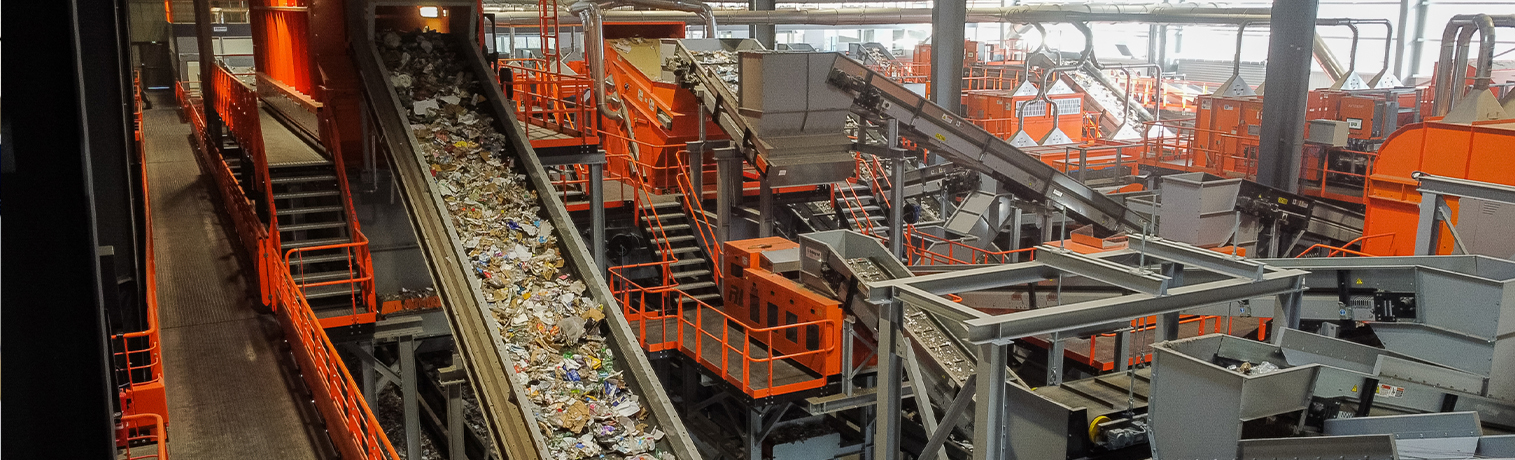
Founded in 1961, Bollegraaf is a global leader delivering integrated sorting and recycling systems, proprietary equipment and aftersales services for the circular economy. As one of the leading players in both Europe and North America, Bollegraaf enables waste management companies and public authorities to enhance sorting and recycling processes, promoting sustainable resource use. The company operates across key waste streams with strong track record of long-term growth, expanding global footprint and leading position in digitalized and AI enhanced systems. In 2025 Schulz & Berger joined the Group to strengthen the position in waste sorting and recycling innovation.
- Year acquired
- 2024
- Revenue
- EUR 167m
- Location
- The Netherlands
- Employees
- 476
- Website
- https://www.bollegraaf.com/
- Investment theme
- Circularity
- Contact
- bertrand.camus@summaequity.com
- SDG alignment
11, 12, 13
The challenges we face:
-
98-100%
of EU critical raw materials supply is dependent on China
-
~50%
of waste volumes are going to landfills in the US
-
Who is impacted?
Waste management companies, material producers, and society at large benefit from Bollegraaf’s sorting and recycling systems, equipment and services which enable increased recycling rates, reduced landfill volumes, lower reliance on virgin materials, and decreased environmental pressures.
-
Contribution
Bollegraaf contributes to Summa’s theory of change by enabling higher recycling and material recovery rates through advanced sorting and recycling solutions and services. Its efficient, innovative equipment reduces landfill waste, energy use and emissions, while increasing recycled material supply, supporting regulatory compliance and accelerating the transition to a circular economy.
-
Risks to impact
Improper operation or maintenance of equipment, limited customer capabilities to optimize plant performance, slower adoption of recycling solutions, insufficient waste segregation upstream, insufficient monitoring of water discharge, air emissions and residual pollutants at facility level, and regulatory or market barriers reducing demand for recycled materials.