1. Home
  2. Investments
  3. Dignio

Empowering people by bringing healthcare home

Dignio at a glance

Dignio is a leading Norwegian health-tech company enabling municipalities and hospitals to deliver remote homecare through automatic medication dispensers (AMD) and remote patient monitoring software (RPM).

Dignio takes an integrated approach to home care, combining safe medication support with structured digital follow-up and clinical workflows in one platform (Dignio Prevent), helping healthcare providers standardise pathways, monitor patients proactively, and use scarce clinical capacity more efficiently.

With more than a decade of experience since its founding in 2012, Dignio is well positioned to support the ongoing shift from in-person, resource-intensive care to scalable home-based services. Dignio is headquartered in Oslo with additional presence in Sweden, Iceland, and Canada.

Year acquired
2026
Revenue
EUR 15m
Location
Norway
Employees
70
Investment theme
Tech-Enabled Resilience
SDG alignment

3, 8, 10, 16

The challenges we face:

  • ~4m

    healthcare worker shortfall expected by 2030 in Europe

  • 50%

    of people living in Europe with chronic conditions do not take medication as prescribed, which has been associated with 125 billion euros and 200,000 deaths in Europe annually

How does Dignio help?

  • Reality today

    Healthcare systems are under structural pressure from ageing populations, increasing chronic disease burden, and persistent workforce shortages, while expectations for quality, safety, and accessibility continue to rise. Care models are still often resource-intensive and dependent on in-person routines, creating avoidable visits, fragmented pathways, and capacity bottlenecks across municipal services and hospitals, ultimately contributing to worse patient outcomes when care is delayed, inconsistent, or otherwise inadequate.

  • Dignio approach

    Dignio enables providers to operationalize homecare by combining automatic medication dispensing with remote patient monitoring in an integrated platform. By supporting structured pathways, standardized workflows, and clear clinical prioritization, Dignio helps care teams shift routine follow-up out of institutions and into the home without compromising safety, allowing healthcare personnel to spend more time where it matters most while improving the patient experience through predictable and supportive follow-up.

  • Aspirational future

    In the long term, Dignio supports a healthcare model where home-based care is a natural extension of the clinical pathway, with proactive monitoring, earlier intervention, and higher adherence as standard practice. This enables better outcomes for patients, improved continuity across levels of care, and a more sustainable use of scarce clinical resources as demand continues to grow.

  • Who is impacted?

    Dignio impacts patients who benefit from safer medication routines and more accessible follow-up at home, particularly older and chronically ill people. It also supports relatives and caregivers through increased predictability and reassurance, while clinicians and care organizations benefit from reduced manual workload and improved capacity management across municipal and hospital services.

  • Contribution

    Dignio contributes to more sustainable healthcare delivery by enabling care closer to home, improving medication adherence and patient satisfaction, and lowering hospitalization rates for selected patient’s groups through remote monitoring and early identification of deterioration. By reducing avoidable utilization and enabling a more efficient allocation of clinical time, Dignio helps healthcare providers maintain quality while increasing access and resilience in the system.

  • Risks to impact

    As with most digital health solutions, impact depends on successful implementation and ongoing clinical ownership. Key risks include insufficient response capacity to alerts if workflows are not properly designed, the potential for reduced physical contact for a small subset of patients if not balanced by broader care plans, and the need to maintain robust data privacy and security as deployments scale.


  1. Home
  2. Investments
  3. Peoplesafe

A leading workforce safety provider in the UK, US, and Canada

Peoplesafe at a glance

Founded in 2001 and headquartered in the UK, Peoplesafe was set up to help the most vulnerable workers through innovation and reacting to emerging risks. Now operating across the US and Canada, it is one of the largest workforce safety technology providers in the world, protecting more than 350,000 people across every industry. Over the last 25 years, its market-leading platforms, technology, and service have been developed to protect everyone, wherever they are and whenever they need it. A purpose-built ARC (Alarm Receiving Central) facility in its UK headquarters ensures its ability to lead the market in delivering the fastest response times possible.

Year acquired
2026
Revenue
GBP 22.6m
Fiscal Year ending March ’25
Location
Epsom, UK
Employees
128
Investment theme
Tech-Enabled Resilience
SDG alignment

3, 8, 9, 16

The challenges we face:

  • 9%

    CAGR in violence since 2018 has left lone and frontline workers facing escalating safety threats as verbal abuse surges, often without rapid access to emergency support

  • 8m

    people (20%) in the UK work alone, with 25% having left a job due to safety concerns and 46% avoiding working late due to personal safety fears

How does Peoplesafe help?

  • Reality today

    Lone workers and frontline staff are facing growing threats in their day-to-day roles. From verbal abuse and harassment to physical assault and medical emergencies, the risks are increasing as people work alone, in isolated locations, or in unpredictable public-facing environments. This reality makes personal safety harder to guarantee and highlights the need for reliable, real-time protection – where help can be raised instantly, no matter where or when an incident occurs.

  • Peoplesafe approach

    Peoplesafe’s safety solutions link directly to its 24/7 Alarm Receiving Centre (ARC), where trained operators verify incidents and coordinate emergency response, typically twice as fast as calling 999. Products reduce the severity of incidents, increase workers’ sense of safety and strengthen employer duty-of-care.

  • Aspirational future

    In an aspirational future, lone and frontline workers can carry out their roles with confidence, knowing their safety is never compromised. Through intelligent, always-connected protection, help is immediate, risks are anticipated, and incidents are prevented before they escalate. Peoplesafe enables a world where everyone returns home safely, every day – empowering organisations to protect their people while building safer, more resilient work environments.

  • Who is impacted?

    Peoplesafe supports employers and organisations to protect their employees in their work environment. This helps keep lone and frontline workers safe in challenging or high-risk situations, enables employers to meet their duty of care with confidence, and supports communities by ensuring critical services can be delivered safely and reliably across a wide range of industries.

  • Contribution

    Peoplesafe enables employers and organisations to actively protect their employees through connected, real-time personal safety solutions. By providing immediate access to assistance, continuous monitoring, and actionable safety insights, reduce harm, and strengthen duty of care. This contributes to safer workplaces, lower risk exposure, reduced incident-related costs, and a stronger safety culture across organisations with lone and frontline workers.

  • Risks to impact

    Realised impact depends on continued high performance of Peoplesafe’s ARC and effective integration with local dispatch systems, ensuring that alerts are assessed and escalated rapidly to deliver accelerated response times. Separately, outcomes rely on sufficient capacity and appropriate responses from local emergency services once an incident is handed over. In addition, maintaining strong safeguards around data privacy and cybersecurity is critical to prevent misuse or unauthorised access to sensitive personal data.

  1. Home
  2. Investments
  3. NG Nordic

Pioneering Circularity

NG Nordic at a glance & key developments in 2025

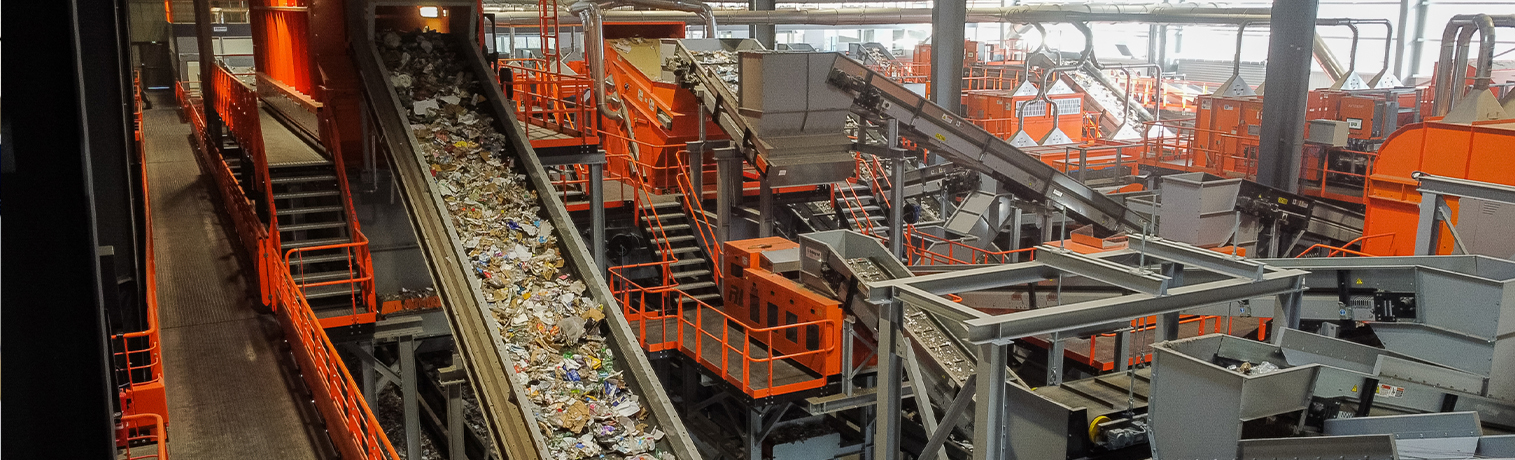
NG Nordic (NG) is a leading Nordic provider of circular solutions and environmental services. By transforming waste into valuable resources and removing hazardous substances from circulation, NG reduces emissions and protects ecosystems. With a market-leading position across the Nordics, NG operates ~90 processing sites, handling ~4.8m tonnes of waste annually, including ~500k tonnes of hazardous waste, excluding landfill.

Following the merger of NG Group and Fortum Recycling & Waste (FRW) in 2024, 2025 marked the successful integration of the two businesses into NG Nordic, creating a leading Nordic platform for circular and depollution services. A combined impact roadmap aligned with NG’s strategy was finalized, covering pollution prevention, the circular economy and emissions, enabling high taxonomy alignment and measurable impact.

Year acquired
2018
Revenue
EUR 1.349m
Location
Europe
Employees
3413
Investment theme
Circularity
SDG alignment

9, 11, 12, 13

What are the challenges NG Nordic addresses?

  • only 40%

    of total waste generated in Europe is currently recycled

  • 119m

    tonnes of hazardous waste generated in Europe in 2022 requesting proper treatment and depollution

  • Who is impacted?

    Industrial, commercial and municipal customers, material producers, and society at large benefit from NG’s waste management, recycling and hazardous waste services, which increase access to secondary materials, improve resource efficiency, and reduce pressure on virgin resource extraction.

  • Contribution

    NG contributes to Summa’s theory of change by enabling circular waste management and depollution at scale through its integrated recycling, waste processing and hazardous waste treatment network. By safely treating large waste volumes, it reduces pollution, limits virgin material extraction, supports regulatory compliance, and accelerates the transition to a circular economy.

  • Risks to impact

    Key risks to impact include inconsistent operational practices, inadequate controls for hazardous materials, air emissions, water discharge or on-site safety, and incidents related to heavy machinery or hazardous waste treatment. These risks could undermine intended outcomes, but they are strictly regulated through NG’s operating permits.

KPI reporting*

Hazardous waste removed from circulation (k tonnes)

Target 2029: 589

Change from '24-'25: +1%

2025
475
2024
470
2023
N/A

Measures the volume of hazardous waste removed from circulation for safe treatment, excluding landfilling, enabling environmentally sound circular systems and supporting protection of human health and biodiversity.

Number of value chain audits of high-risk business partners

Target 2029: 53

Change from '24-'25: +12%

2025
46
2024
41
2023
35

Tracks the number of on-site audits conducted with high-risk business partners to assess safety, human rights and environmental practices, supporting responsible conduct and risk management in the value chain.

Avoided emissions from virgin material (tCO2e)

No target

Change from '24-'25: +2%

2025
1.4m
2024
1.38m
2023
1.46m

Through waste sorting, recycling and energy recovery, NG ensures that waste is transformed into new circular raw materials, giving them a second life and avoiding emissions by replacing virgin raw materials with recycled alternatives.

  1. Home
  2. Investments
  3. EA Technology

Enabling the energy transition through a smarter grid

EA Technology at a glance & key developments in 2025

EA Technology is a leading solutions provider for monitoring and managing electrical grids and assets. Its industry-leading suite of hardware, software and services supports the development of decarbonized, resilient, accessible and low-cost energy networks globally. Founded in 1966 as a ground-breaking R&D organization for the UK electricity industry, EA Technology now serves customers worldwide.

In 2025, EA Technology strengthened its commercial foundations through targeted product launches including pole-mounted low-voltage sensors, and diversification into new geographies and adjacent growth sectors such as Data Centers and Water infrastructure. EA Technology also expanded into Voltage Regulation through the acquisition of Fundamentals.

Year acquired
2024
Revenue
EUR 66m
Fiscal Year ending March ’24
Location
Chester, UK
Employees
330
Investment theme
Energy Transition
SDG alignment

7, 9

The challenges we face:

  • + 1.7TW

    of EU renewable electricity projects in grid connection queues

  • 5-8%

    average annual energy supply loss across UK distribution networks due to outages/interruptions, distribution losses, demand variability and renewable intermittency

  • Who is impacted?

    Electricity network operators, large C&I customers, and society at large are impacted by EA Technology’s grid monitoring and management solutions. EA Technology supports customers safeguard electricity networks, benefiting consumers, communities, and the environment by increasing grid resilience, avoiding outages, and optimizing asset performance and lifespan.

  • Contribution

    EA Technology contributes to Summa’s theory of change by empowering grid operators to upgrade their infrastructure for an electrified, low-carbon system. EA Technology’s tools facilitate faster connection of renewable energy, reduce network interruptions, and decrease both capital and operational expenses.

  • Risks to impact

    Key risks to impact include operational issues related to the mission-critical nature of EA Technology’s products, which could have localized adverse impacts on the status and reliability of electricity grids.

KPI reporting

Additional capacity available from existing infrastructure (GW)

Target 2027: 2.48

Change from '24-'25: +26%

2025
1.8
2024
1.4
2023
N/A

Refers to additional electricity network capacity unlocked through improved visibility of asset performance, enabling grid operators to make better use of existing infrastructure.

Reduced power outage time for consumers (hours)

Target 2027: 263k

Change from '24-'25: +8%

2025
222k
2024
205k
2023
N/A

The total hours of power outages avoided through automated fault detection and restoration, indicating improved reliability of electricity supply for households, businesses, and critical infrastructure.

Homes and businesses covered by VisNet Connect

Target 2027: 35m

Change from '24-'25: +17%

2025
28.8m
2024
24.7m
2023
N/A

The number of homes and businesses served by distribution network operators using VisNet Connect to automate and manage grid connection requests for low-carbon technologies.

  1. Home
  2. Investments
  3. Bollegraaf

Leading turnkey waste sorting solutions provider

Bollegraaf at a glance & key developments in 2025

Founded in 1961, Bollegraaf is a global leader delivering integrated sorting and recycling systems, proprietary equipment and aftersales services for the circular economy. As one of the leading players in both Europe and North America, Bollegraaf enables waste management companies and public authorities to enhance sorting and recycling processes, promoting sustainable resource use. The company operates across key waste streams with strong track record of long-term growth, expanding global footprint and leading position in digitalized and AI enhanced systems. In 2025 Schulz & Berger joined the Group to strengthen the position in waste sorting and recycling innovation.

Year acquired
2024
Revenue
EUR 167m
Location
The Netherlands
Employees
476
Investment theme
Circularity
SDG alignment

11, 12, 13

The challenges we face:

  • 98-100%

    of EU critical raw materials supply is dependent on China

  • ~50%

    of waste volumes are going to landfills in the US

  • Who is impacted?

    Waste management companies, material producers, and society at large benefit from Bollegraaf’s sorting and recycling systems, equipment and services which enable increased recycling rates, reduced landfill volumes, lower reliance on virgin materials, and decreased environmental pressures.

  • Contribution

    Bollegraaf contributes to Summa’s theory of change by enabling higher recycling and material recovery rates through advanced sorting and recycling solutions and services. Its efficient, innovative equipment reduces landfill waste, energy use and emissions, while increasing recycled material supply, supporting regulatory compliance and accelerating the transition to a circular economy.

  • Risks to impact

    Improper operation or maintenance of equipment, limited customer capabilities to optimize plant performance, slower adoption of recycling solutions, insufficient waste segregation upstream, insufficient monitoring of water discharge, air emissions and residual pollutants at facility level, and regulatory or market barriers reducing demand for recycled materials.

KPI reporting

Complete waste sorting installations delivered per year

No target

Change from '24-'25: 0%

2025
10
2024
10
2023
N/A

Measures the number of complete waste sorting installations delivered within a year, indicating deployment of new sorting capacity. Excludes retrofits, upgrades, and standalone equipment sales.

Total waste processing capacity of installed systems (tonnes/year)

Target 2029: 8mt

Change from '24-'25: +77%

2025
2.4m
2024
1.4m
2023
N/A

Tracks total waste processing capacity since 2024 across all Bollegraaf systems currently in operation, reflecting the cumulative scale of sorting capacity enabled over time.

Avoided emissions from virgin material (tCO2e)

No target

Change from '24-'25: N/A

2025
425k
2024
N/A
2023
N/A

Measures the amount of tCO2e avoided emissions from avoided virgin material on new installation in 2025.

  1. Home
  2. Investments
  3. Nutris

Leading plant-based proteins provider

Nutris at a glance & key developments in 2025

Nutris is a next-generation producer of high-quality plant-based ingredients made from locally sourced fava beans. Headquartered in Zagreb, Croatia, with production in Novi Senkovac, the company supplies fava bean protein isolates and starch ingredients to food manufacturers across the EU, the United States and Asia. Through close partnerships with farmers, Nutris has built a rapidly expanding sourcing network of more than 400 farming families. The company is also advancing regenerative farming practices across its supply chain to improve soil health and agricultural resilience. Together with its partner Bioptimate in Copenhagen, Nutris continues to develop and expand its plant-based protein platform.

Year acquired
2024
Revenue
EUR 6m
Location
Croatia and Denmark
Employees
71
Investment theme
Sustainable Food
SDG alignment

12, 13

What are the challenges Nutris addresses

  • 26%

    of GHG emissions stem from the global food system

  • 60-70%

    of EU soils are degraded due to unsustainable land management

  • Who is impacted?

    Farmers, food producers, consumers and the planet are impacted by Nutris’ plant-based ingredient production. Enhanced seeds increase protein yields, enabling the same food output on less land, while farmers gain more stable incomes and food producers and consumers access nutritious, lower-carbon plant proteins, while supporting planetary boundaries.

  • Contribution

    Nutris contributes to Summa’s theory of change by enabling low-carbon, regenerative protein production through locally sourced fava beans and proprietary processing technology. Its ingredients support plant-based food innovation, reduce emissions versus other proteins, and promote soil-enhancing agricultural practices that strengthen ecosystem health and farm profitability.

  • Risks to impact

    Key risks to impact include limited farmer adoption of fava bean cultivation and regenerative practices due to knowledge gaps, limited agronomic data, yield variability and market access constraints, which may affect supply reliability and slow the scaling of fava beans as a competitive plant-protein input.

KPI reporting

Locally produced hectares

Target 2028: 15k

Change from '24-'25: 0%

2025
6.2k
2024
6.2k
2023
N/A

Measures the number of hectares of locally sourced fava beans cultivated for Nutris’ production, indicating the scale of local agricultural sourcing and engagement with regional farming systems.

Share of hectares with regenerative farming practices

Target 2028: 40%

Change from '24-'25: +3.5ppt

2025
18.5%
2024
15%
2023
N/A

Measures the share of sourced fava bean hectares managed using regenerative farming practices, indicating adoption of soil-enhancing and resource-efficient agricultural methods within Nutris’ supply chain.

Tonnes of fava bean ingredients sold (mt)

Target 2028: 4k

Change from '24-'25: +25%

2025
8k
2024
6.4k
2023
N/A

Measures the total volume of fava bean-based protein and starch ingredients sold, indicating market uptake and scale of Nutris’ plant-based ingredient production.

  1. Home
  2. Investments
  3. guardsix

Streamlined and converged cyber security

guardsix at a glance & key developments in 2025

guardsix safeguards society in a digital world by helping critical infrastructure operators and Managed Security Service Providers (MSSPs) detect cyberattacks. Combining reliable technology with deep cybersecurity expertise, guardsix simplifies security operations, giving organizations the freedom to progress. guardsix’s SIEM and NDR technologies improve visibility and provide a multi-layered defense, helping customers across Europe navigate an increasingly complex threat landscape.

In 2025, guardsix achieved monthly profitability from August, marking a significant milestone. The company recently rebranded from Logpoint to guardsix (g6), reflecting closer alignment with MSSPs and regulated organizations and strengthening its focus on sovereign security operations technology.

Year acquired
2023
Revenue
EUR 26m
Location
Denmark
Employees
235
Investment theme
Tech-Enabled Resilience
SDG alignment

8, 9, 16

What are the challenges guardsix addresses

  • 276

    days to detect and respond to a data breach

  • 22%

    YoY increase in cyber attacks on European region

  • Who is impacted?

    Critical infrastructure operators, public institutions, enterprises, SMEs and society at large are impacted by guardsix’s cybersecurity solutions. Organizations gain improved threat detection and response capabilities, while society benefits indirectly through stronger protection of essential digital services.

  • Contribution

    guardsix contributes to Summa’s theory of change by enabling organizations to detect, analyze and respond to cyber threats through SIEM and network detection technologies. Its solutions strengthen security operations across both large enterprises and smaller organizations in high-risk digital environments.

  • Risks to impact

    Key risks to impact include limited platform adoption, insufficient usage or integration, technological failures, and data security breaches, which could reduce detection effectiveness and undermine trust in guardsix’s cybersecurity solutions.

KPI reporting

Protected nodes (avg. per month)

Target 2028: 1 million

Change from '24-'25: +11%

2025
482k
2024
433k
2023
338k

Tracks the average number of IT assets actively monitored and protected by guardsix’s solutions per month, indicating the scale of security coverage across customer environments.

Clients in critical industries (avg. per month)

No target

Change from '24-'25: -4%

2025
569
2024
591
2023
677

Tracks the average number of customers in critical industries using guardsix’s solutions per month, indicating adoption of cybersecurity monitoring across sectors essential to public safety and continuity.

  1. Home
  2. Investments
  3. Velsera

Unites companies from healthcare and life sciences

Velsera at a glance & key developments in 2025

Velsera is a precision medicine technology company that supports life sciences and healthcare organizations through advanced data platforms, analytics, and expert services, accelerating drug discovery, clinical development, and delivery of personalized care globally.

Velsera launched its Global Data Network (GDN) in 2025. Spanning more than 175m patient records across a global network of partners, GDN connected previously siloed datasets to accelerate drug discovery and development. By enabling faster access to high-quality, regulatory-compliant data while preserving patient privacy, the platform significantly reduced time to insight and supported more efficient, data-driven decision-making across precision medicine.

Year acquired
2022
Revenue
EUR 27m
Location
Boston
Employees
205
Investment theme
Changing Demographics
SDG alignment

3

What are the challenges Velsera addresses

  • 73%

    of advanced cancer patients may have treatment-relevant genomic findings, yet only ~8% receive genomics-matched treatment

  • 93%

    of clinical drug candidates fail, and each new medicine takes 10–15 years and ~$2.6B to develop

  • Who is impacted?

    Velsera serves the precision-medicine ecosystem: clinical laboratories, sequencing providers, clinicians, patients, pharmaceutical companies, researchers and public research organizations. Its platforms support both clinical teams interpreting cancer genomic tests and research teams analyzing large-scale biomedical data.

  • Contribution

    Velsera helps move precision medicine from data to decisions. Clinical Genomics Workspace turns complex genomic results into clinical reports used for diagnosis, prognosis, treatment selection and trial matching. Seven Bridges Platform helps researchers use health and multi-modal biomedical data at scale to accelerate discovery as well as drug and diagnostics development.

  • Risks to impact

    Key risks to impact include rapidly evolving customer needs, competitive and regulatory dynamics, and challenges in scaling solutions across diverse markets in a nascent field. These factors may slow adoption and constrain the effectiveness of Velsera’s platforms in delivering impact.

KPI reporting

Genomic test cases interpreted

Target 2028: 500k+

Change from '24-'25: +31%

2025
282k
2024
215k
2023
145k

Tracks the cumulative number of genomic test cases interpreted through Velsera’s Clinical Genomics Workspace software, helping labs translate complex cancer DNA data into reports that guide patient care.

Researchers supported by Velsera platforms

Target 2028: 100k

Change from '24-'25: +63%

2025
33k
2024
30k
2023
26k

Tracks the cumulative number of researchers supported by Velsera platforms, helping R&D teams use large-scale health and complex biomedical data to accelerate research.

Clinical tests automated by FastFinder

No target

Change from '24-'25: -4%

2025
12m
2024
12.5m
2023
13m

Tracks the number of clinical PCR tests processed annually through FastFinder’s automated platform, indicating the scale of diagnostic testing supported by AI-based result calling and workflow automation across clinical laboratories.

  1. Home
  2. Investments
  3. Holdbart

Norway’s leading retailer of surplus food items

Holdbart at a glance & key developments in 2025

Holdbart is Norway’s leading retailer of surplus food, rescuing excess products that suppliers cannot sell through conventional channels. Products that are discontinued, overstocked, nearing expiry, or have old or faulty labels are sold in Holdbart’s stores and online at up to 90% discounts.

In 2025, Holdbart grew revenue by 36%, driven by three new store openings, two of which opened in H2, with full impact expected in 2026. The company expanded its network to 23 stores across Norway and continues to build a pipeline of new locations, supporting further growth and increased food waste reduction

Year acquired
2021
Revenue
EUR 98m
Location
Norway
Employees
433
Investment theme
Sustainable Food
SDG alignment

1,2,12

What are the challenges Holdbart addresses

  • 407k

    tonnes of food wasted in Norway in 2024

  • 1.2m

    tonnes of CO2e emissions from food waste in Norway in 2021

  • Who is impacted?

    Producers, importers, wholesalers, consumers and society at large are impacted by Holdbart’s surplus food retail model. Businesses gain a channel for food that would otherwise be wasted, while consumers across Norway access affordable groceries, reducing food waste, lowering unnecessary resource use, reducing food waste and the environmental footprint that comes with it.

  • Contribution

    Holdbart contributes to Summa’s theory of change by reducing food waste at scale through physical stores and digital channels that redistribute surplus food. By extending the use of edible products, the model lowers waste, reduces unnecessary food production, and improves access to affordable groceries, supporting a more efficient and inclusive food system.

  • Risks to impact

    Key risks to impact include dependence on supplier surplus volumes and handling practices beyond Holdbart’s control, limited influence over consumer use and end-of-life disposal of products, changes in demand or regulation affecting surplus availability, and rebound effects where surplus redistribution does not reduce upstream food overproduction.

KPI reporting

Tonnes of food saved

Target 2023: 20k

Change from '24-'25: +27%

2025
17.4k
2024
13.7k
2023
15k

Measures the quantity of food diverted from waste and retained for consumption or further use through Holdbart’s surplus food retail operations.

Avoided emissions (tCO2e) from food saved

Target 2027: 65k

Change from '24-'25: +27%

2025
47k
2024
34.1k
2023
38.7k

Measures GHG emissions avoided by preventing food waste, based on the volume of food saved from disposal through Holdbart’s surplus food retail activities.

Number of shopping carts

Target 2030: 4m

Change from '24-'25: +29%

2025
3.5m
2024
2.7m
2023
2.3m

Tracks the number of completed customer shopping carts, indicating consumer uptake of surplus food and participation in alternative retail channels for food that would otherwise be wasted.

  1. Home
  2. Investments
  3. Nofitech

Land-based facilities and equipment to blue chip salmon farmers

Nofitech at a glance & key developments in 2025

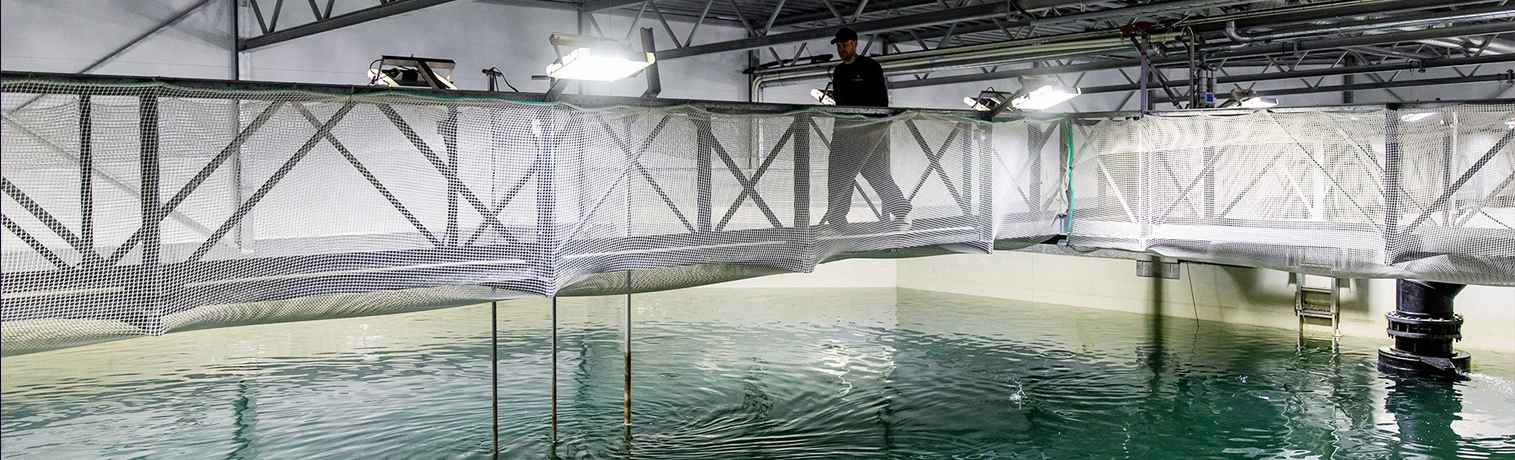
Nofitech provides land-based facilities and equipment to blue-chip salmon farmers. Its primary offering today is a recirculating aquaculture system (RAS), ModulRAS, which allows fish farmers to move parts of the fish’s growth cycle onto land, and offers facilities for the final growth stage, providing fish farmers with the option to locate all production on land.

Nofitech saw a 13% top-line growth during 2025 and momentum remains positive with a major new contract signed during the year and a ~NOK 4bn backlog.

Year acquired
2021
Revenue
EUR 62m
Location
Norway
Employees
98
Investment theme
Sustainable Food
SDG alignement

2, 12, 14

What are the challenges Nofitech addresses

  • 15%

    expected increase in aquatic food production by 2030

  • 110k

    escape of farmed salmon, which poses a threat to biodiversity through the risk of farmed salmon mixing with wild salmon populations

  • Who is impacted?

    Salmon farmers, coastal communities, marine ecosystems and society at large are impacted by Nofitech’s land-based aquaculture systems. Farmers gain a more resource-efficient production model, while reduced interaction with natural habitats lowers pollution and disease risks, supporting ocean biodiversity and more sustainable seafood production.

  • Contribution

    Nofitech contributes to Summa’s theory of change by enabling more sustainable aquaculture through land-based recirculating systems for post-smolt and grow-out production. By reducing reliance on open-sea farming, its solutions lower environmental pressure on marine ecosystems while supporting scalable, controlled and resource-efficient seafood production.

  • Risks to impact

    Key risks to impact include regulatory uncertainty, high capital and infrastructure requirements limiting adoption, economic viability challenges, logistical complexity, and suboptimal system operation that could affect local water resources or biodiversity, potentially constraining the scale and effectiveness of land-based aquaculture solutions.

KPI reporting

Delivered bio-security zones

Target 2029: 50

Change from '24-'25: +16%

2025
29
2024
25
2023
19

Measures the number of delivered bio-securityzones embedded in Nofitech’s systems, indicating operational design features that support fish health management and enable consistent performance monitoring across land-based aquaculture facilities.

Delivered capacity (tonnes fish/year)

Target 2029: 28.5k

Change from '24-'25: +2%

2025
16.8k
2024
16.4k
2023
12.3k

Measures the total annual fish production capacity engineered and delivered through Nofitech’s systems, indicating operational scale and contribution to efficient, technology-enabled growth in land-based aquaculture.

Number of Nofitech Academy users

Target 2029: 340

Change from '24-'25: +26 %

2025
246
2024
195
2023
76

Measures the number of users engaged with Nofitech Academy, indicating adoption of knowledge-based services and Nofitech’s contribution to long-term competence development and capability building within land-based aquaculture.