1. Home
  2. Insights
  3. News
  4. From toxic to thriving: Europe’s water health at a breaking point

From toxic to thriving: Europe’s water health at a breaking point – Summa Equity says €226 billion could fix it by 2040

  • News
  • Impact
  • Reports

3 min read

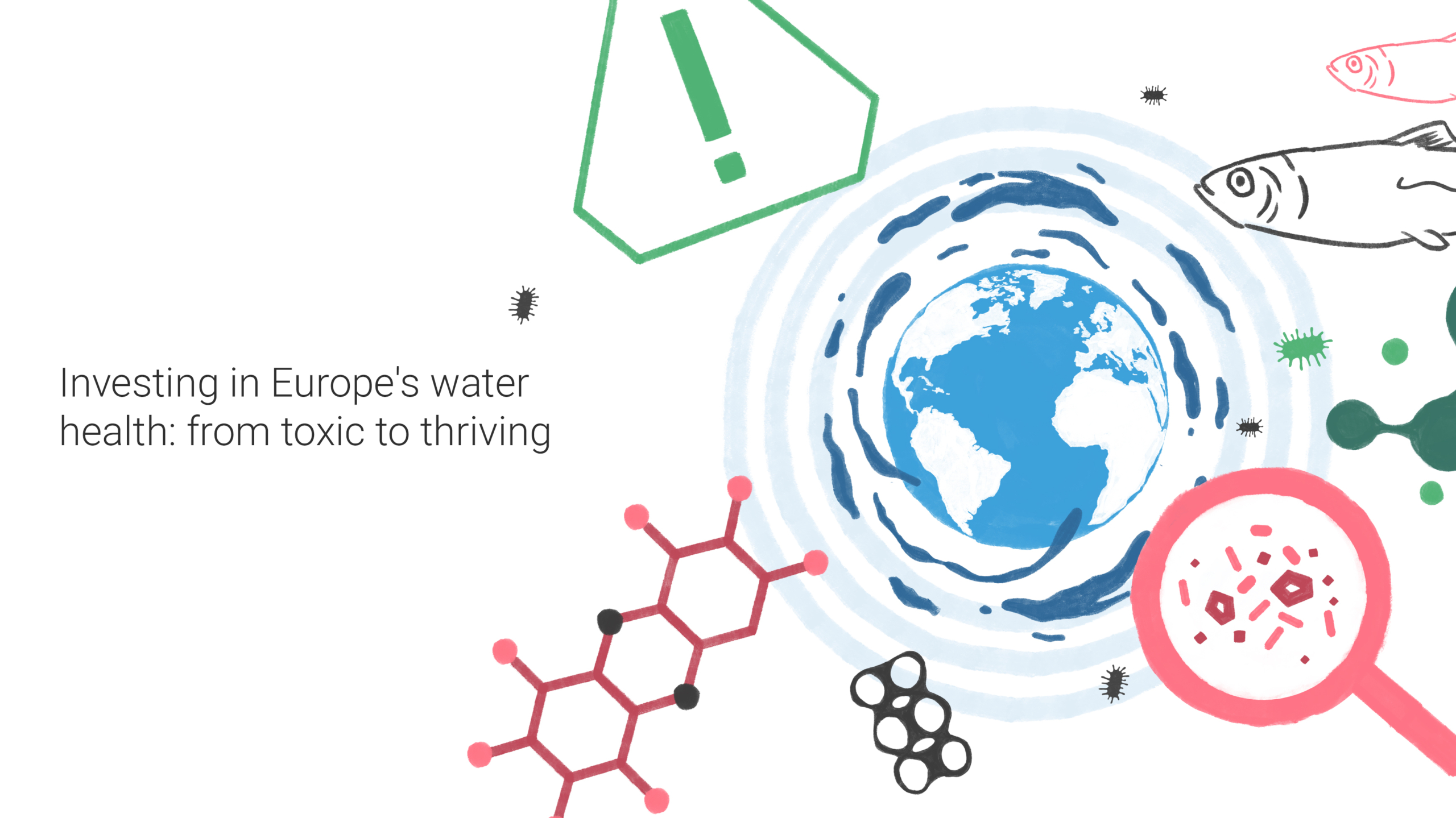
Stockholm, December 2025 — Pesticides, microplastics, and PFAS are now present in the blood of nearly every European. To reverse this alarming trend, Nordic private equity firm Summa Equity has unveiled a €226 billion investment plan to restore Europe’s water health by 2040 — while delivering strong returns for investors and unlocking a €1 trillion market opportunity as Europe’s water-health economy scales over the next 15 years.

Less than 40% of Europe’s water bodies comply with Environmental Quality Standards, and half of Europeans are exposed to drinking water above safety line. These exposures are linked to cancer, fertility decline, endocrine disruption, and antimicrobial resistance. Water pollution has become a systemic challenge — one that mirrors our production and consumption habits.

According to Summa, the failure to fully implement existing EU environmental laws costs Europeans at least €180 billion a year in hidden health and economic impacts. “If we approach this as an investment opportunity rather than a cost, Europe’s water crisis can be solved within fifteen years,” Camus adds.

The firm’s new report outlines a once-in-a-generation opportunity to invest in water health: tracking and reducing pollution at the source, scaling technologies that remove contaminants, and upgrading treatment infrastructure to safeguard populations and restore ecosystems. The model promises double-digit returns, strong regulatory support, and tangible impact.

A combination of prevention policies and ‘polluter and beneficiary-pays’ mechanisms could finance much of the transition, the report suggests, reducing pressure on household water bills. Early commitments from the European Investment Bank and new EU Water Resilience initiatives are already drawing private investors to the sector.

Summa estimates that €226 billion in targeted investments across pollution control, clean water infrastructure, and remediation services could bring European waters back to health within 15 years — roughly the cost of 18 months of inaction. By 2040, the share of Europeans exposed to drinking water above the safety line could drop from up to 50% today to below 5%.

Rising pollution levels, new EU producer-responsibility laws and tightening bans on harmful substances are converging to make water Europe’s next major compliance and investment frontier. Summa Equity’s investment thesis on water health provides a blueprint for aligning policy, capital, and technology — a pathway to move Europe’s waters from toxic to thriving.

– This isn’t philanthropy, It’s the next frontier of yield-producing impact capital.

The Summa Summarum newsletter

Sign up to our newsletter

Latest readings

News
From toxic to thriving: Europe’s water health at a breaking point

Read more

Summa Equity acquires Peoplesafe, a leading workforce safety provider

Read more

Holdbart and Summa Foundation donate NOK 2 million to support food access in Norway

Read more

Securing the backbone of the digital economy: strengthening cybersecurity for SMEs

Read more
  1. Home
  2. Insights
  3. News
  4. Securing the backbone of the digital economy: strengthening cybersecurity for SMEs

Securing the backbone of the digital economy: strengthening cybersecurity for SMEs

  • News
  • Impact
  • Reports

2 min read

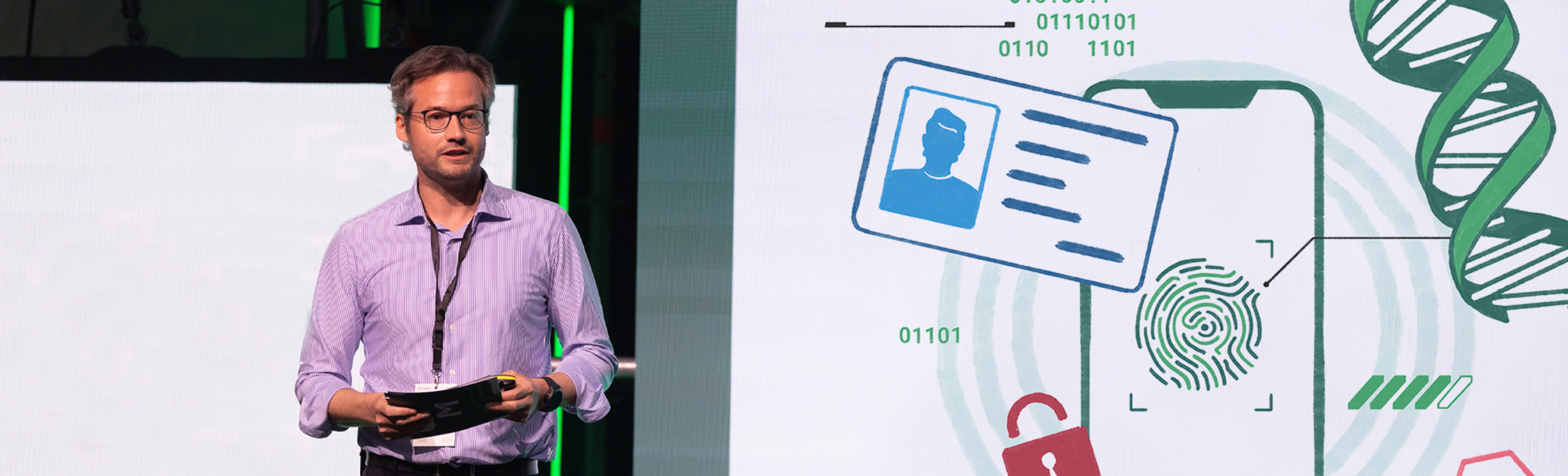
Small and mid-sized enterprises (SMEs) are the backbone of Europe’s economy, representing 99% of all businesses. They employ 80 million people in the EU, drive innovation, and power the supply chains that keep industries running. Yet in today’s connected economy, they have also become the most exposed link.

Cybercriminals know that SMEs often lack the tools, systems, and resources to defend themselves. A single breach can paralyze operations, compromise sensitive data, and open the door to attacks on larger partners. What was once a local business risk has become a systemic threat. When one SME in a supply chain is compromised, the ripple effects can reach critical infrastructure, healthcare, and government services.

Cybercrime already costs the global economy ~3% of GDP every year, and yet up to 95% incidents go unreported, hiding the real impact on the economy, business and people. For SMEs, the challenge is not awareness but access. Security tools are often too complex, too costly, or simply out of reach.

Cybersecurity can no longer be a privilege of large businesses. Scalable, accessible solutions are essential for building digital resilience across the entire economy.

The widening protection gap is both a systemic challenge and a major investment opportunity. Demand for cybersecurity solutions is growing at double-digit rates, yet SMEs remain dramatically underserved. Investing in technologies that make advanced protection affordable and easy to deploy is critical. Not just for risk reduction, but for the stability of Europe’s digital economy.

Investing in scalable cybersecurity solutions

Summa’s investments in FAST LTA and Logpoint are examples of this opportunity.

FAST LTA, a German data solutions provider, offers high-security, immutable data storage and archiving for critical sectors. Its technologies ensure long-term data integrity, even in the face of ransomware. By keeping data under local control and within EU jurisdiction, its solutions strengthen digital sovereignty and resilience where it matters most.

Logpoint, a Danish cybersecurity software company, helps organizations detect, respond to, and prevent attacks through its European-native technologies. In a market dominated by US providers, it offers a trusted alternative built on European values of privacy and security. This is critical when up to 84% of European organizations see reliance foreign cybersecurity as a strategic risk.

Crucially, Logpoint uniquely enables SMEs, those most exposed and least protected, to strengthen their defenses. As more businesses adopt its service, the network effect amplifies resilience across entire value chains, improving overall security for society.

Both companies show how European innovation and investment can reinforce digital sovereignty and resilience, while delivering competitive financial returns.

Protecting SMEs is not just about preventing cyberattacks. It’s about safeguarding the networks, data, and services that the wider economy depends on. By investing in solutions that make cybersecurity scalable and accessible, Summa is helping ensure that every organization, large or small, can operate securely in a digital world.

Download our latest report to explore the full investment opportunity in cybersecurity.

The Summa Summarum newsletter

Sign up to our newsletter

Latest readings

News

From toxic to thriving: Europe’s water health at a breaking point

Read more

Summa Equity acquires Peoplesafe, a leading workforce safety provider

Read more

Holdbart and Summa Foundation donate NOK 2 million to support food access in Norway

Read more

Securing the backbone of the digital economy: strengthening cybersecurity for SMEs

Read more
  1. Home
  2. Insights
  3. News
  4. Investing in cybersecurity for a secure and resilient digital future

Investing in cybersecurity for a secure and resilient digital future

  • News
  • Impact
  • Reports

2 min read

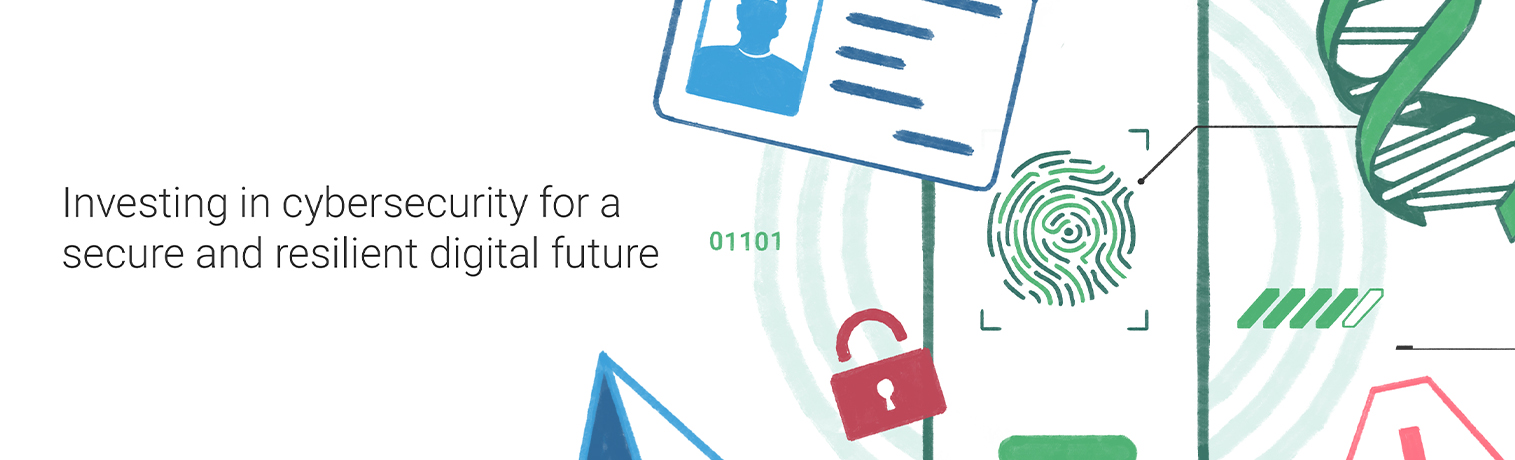
Cyberattacks are escalating, costing the global economy the equivalent of ~3% of GDP every year. At the same time, markets that enable a safer and more resilient digital future could grow more than fourfold to around USD 1 trillion by 2040. Together, this creates one of the most urgent and attractive investment opportunities of the decade. 

Today, the global ICT sector contributes USD 6.1 trillion to the global economy, about 6% of global GDP, and is growing twice as fast as the global economy. Yet defenders are falling behind. Critical systems that power everything from smart grids to digital governance are exposed to theft, disruption, and manipulation. Closing this gap will require over USD 1230 billion in R&D and capital investment over the next 15 years.

Investing in cybersecurity solutions is not only about preventing attacks. It’s about safeguarding the foundations of our digital economies and ensuring that they remain a net positive force for society.

Our latest report, developed as part of Summa’s Tech-Enabled Resilience thematic investment strategy, highlights priority areas where investment can deliver strong returns alongside measurable societal impact, including identity and access management, data security, endpoint protection, and managed security services. With cybersecurity spending expected to quadruple by 2040, the sector offers both strategic importance and strong market potential.  

Our investments in Logpoint and FAST LTA show how cybersecurity solutions can strengthen digital sovereignty while offering competitive financial returns. 

By directing capital into these solutions, we can help significantly reduce global damages from cybercrime annually, protect essential services, and build a more resilient and secure digital future. This is both an urgent necessity and significant opportunity for investors and entrepreneurs alike.  

Download our latest report to explore the full investment opportunity in cybersecurity. 

The Summa Summarum newsletter

Sign up to our newsletter

Latest readings

News

From toxic to thriving: Europe’s water health at a breaking point

Read more

Summa Equity acquires Peoplesafe, a leading workforce safety provider

Read more

Holdbart and Summa Foundation donate NOK 2 million to support food access in Norway

Read more

Securing the backbone of the digital economy: strengthening cybersecurity for SMEs

Read more
  1. Home
  2. Insights
  3. News
  4. Investing in food and agriculture for health and planetary resilience

Investing in food and agriculture for health and planetary resilience

  • News
  • Impact
  • Reports

3 min read

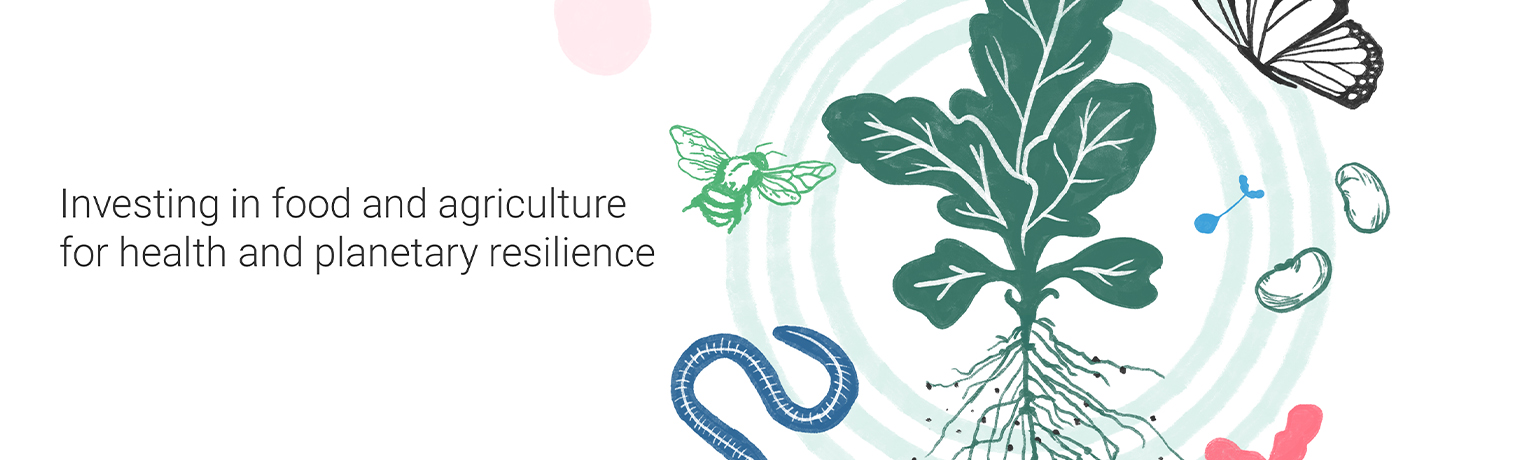
The global food system is at a tipping point and with it comes a multi-billion-dollar investment opportunity.

Regenerative agriculture alone could see a threefold market increase by 2035, yet current funding meets just 10% of what’s needed. That gap signals a huge opening for private capital to step in and scale transformative solutions. This is a pivotal decade to invest in systemic transformation.

By investing in regenerative and plant-based food systems, we can restore ecosystems, improve human health and reduce emissions. But time is short. Without bold investment and innovation today, we risk locking in an unsustainable status quo.

Summa is committed to driving systems change in food and agriculture. Our strategy is built to seize this moment and invest in future-fit companies that will define the food system of tomorrow. This means we invest in industries supported by megatrends within four themes: Circularity, Sustainable Food, Energy Transition and Tech-Enabled Resilience. Within our Sustainable Food investment strategy, we target four high-impact areas within food and agriculture: alternative proteins, NextGen agriculture, food waste and the organic foods market.

By backing innovative companies such as Nutris and Holdbart, we aim to catalyze scalable solutions that are both commercially viable and environmentally responsible. Investing in sustainable technologies, regenerative practices and nutrition-focused solutions has the potential to unlock both long-term financial value and impact.

To learn more about this investment opportunity, read our latest report, Investing in food and agriculture for health and planetary resilience.

The Summa Summarum newsletter

Sign up to our newsletter

Latest readings

News

From toxic to thriving: Europe’s water health at a breaking point

Read more

Summa Equity acquires Peoplesafe, a leading workforce safety provider

Read more

Holdbart and Summa Foundation donate NOK 2 million to support food access in Norway

Read more

Securing the backbone of the digital economy: strengthening cybersecurity for SMEs

Read more
  1. Home
  2. Insights
  3. News
  4. Planetary boundaries as a guiding framework for sustainable growth

Planetary boundaries as a guiding framework for sustainable growth

  • News
  • Reports

3 min read

2024 marked an unprecedented year of environmental disruption, with six of the nine planetary boundaries now breached. It also stood out as the hottest year ever recorded, with global temperatures exceeding the critical 1.5°C threshold.

These breaches signal increasing stress on Earth’s ecosystems and raise the risk of triggering irreversible tipping points. The planet’s resilience to human-made impacts is declining, and urgent action is required.

Despite these challenges, promising progress continues across sectors with high mitigation potential. Renewable energy adoption surpassed growth projections, and new investment opportunities are emerging in areas capable of pushing planetary boundaries back within safe operating zones.

The investment case is clear: the cost of inaction exceeds the investment needed by a factor of 4.1x. Between 2014 and 2023, climate-related damages cost the global economy USD 2 trillion. Under a 3°C warming scenario, annual losses could reach up to USD 38 trillion by 2049, more than twice the European Union’s GDP in 2023.

Yet, current investment levels are uneven and inadequate. Particularly in high-impact sectors such as agriculture, sustainable food and biodiversity restoration, which offer strong returns while directly contributing to a stable, low-carbon economy.

The planetary boundaries define the most pressing environmental issues facing our world. Targeted investments can help push us back within safe operating limits while unlocking long-term value

At Summa, we view planetary boundaries as a guiding framework for sustainable growth. They are integral to how we assess risk, shape our portfolio and define long-term value creation. We are embedding planetary boundary assessments into our investment process, enabling portfolio-wide risk mitigation and impact alignment.

This approach helps us identify companies that can succeed in a future economy shaped by planetary boundaries. At a macro scale, the investment potential across our focus areas is substantial and can unlock economic value that extends well beyond individual transactions.

To learn more about how we work with our portfolio companies, including Nutris, Holdbart, Oda and NG Group – who have a combined 1.5 million tCO₂e (metric tons of CO₂ equivalent) in avoided emissions – read our latest report ‘Planetary boundaries’.

The Summa Summarum newsletter

Sign up to our newsletter

Latest readings

News

From toxic to thriving: Europe’s water health at a breaking point

Read more

Summa Equity acquires Peoplesafe, a leading workforce safety provider

Read more

Holdbart and Summa Foundation donate NOK 2 million to support food access in Norway

Read more

Securing the backbone of the digital economy: strengthening cybersecurity for SMEs

Read more
  1. Home
  2. Insights
  3. News
  4. Investing in sustainable aquaculture for a resilient food system

Investing in sustainable aquaculture for a resilient food system

  • News
  • Impact
  • Reports

3 min read

Stockholm, October 7th – A report published today by Summa Equity (“Summa”), as a part of its food system transformation series, identifies the future state of salmon aquaculture could yield EUR 1bn in savings, close half of the anticipated feed gap, and cut CO2 emission by two-thirds.

Aquaculture, or the farming of aquatic plants and animals, plays a vital role in addressing the growing global demand for sustainable protein sources.

This report explores the opportunities and challenges within the aquaculture sector, particularly the farming of salmon. It focuses on sustainable practices that align with ecological boundaries and the broader goals of the global food system.

Current aquaculture practices face sustainability challenges, such as habitat destruction, unsustainable feed sourcing and the management of pathogens and parasites. Despite these challenges, innovative solutions and technologies are emerging, including closed-loop systems, land-based farming and alternative feed ingredients. These innovations not only address environmental concerns but also offer compelling investment opportunities, particularly in the farmed salmon sector, which has grown significantly due to its efficiency and lower resource intensity compared to other protein sources.

Summa’s investment strategy aligns with these opportunities, targeting areas such as land-based and closed-pen farming, preventative measures to improve fish health and alternative feed ingredients. Investments in Nofitech and STIM exemplify commitment to supporting sustainable aquaculture practices that enhance both industry profitability and environmental responsibility.

As the aquaculture industry evolves, a systems-based approach that anticipates and adapts to emerging challenges will be essential. Summa is well-positioned to lead in this transformation, ensuring that aquaculture contributes to a more sustainable and resilient global food system.

Are you interested in learning more? Download the full report via the button below.

The Summa Summarum newsletter

Sign up to our newsletter

Latest readings

News

From toxic to thriving: Europe’s water health at a breaking point

Read more

Summa Equity acquires Peoplesafe, a leading workforce safety provider

Read more

Holdbart and Summa Foundation donate NOK 2 million to support food access in Norway

Read more

Securing the backbone of the digital economy: strengthening cybersecurity for SMEs

Read more
  1. Home
  2. Insights
  3. News
  4. Report on climate and nature 2023

Report on climate and nature 2023

We are facing an existential environmental crisis. Climate change, depletion of natural resources, and biodiversity loss are all major issues that need to be addressed.

  • News
  • Impact
  • Reports

4 min read

A forceful response is necessary, which will require a paradigm shift in human activity to mitigate and adapt to the impacts of these issues. It is vital that immediate action is taken to address these issues, as the longer we wait, the more difficult and costly it will be to solve them.

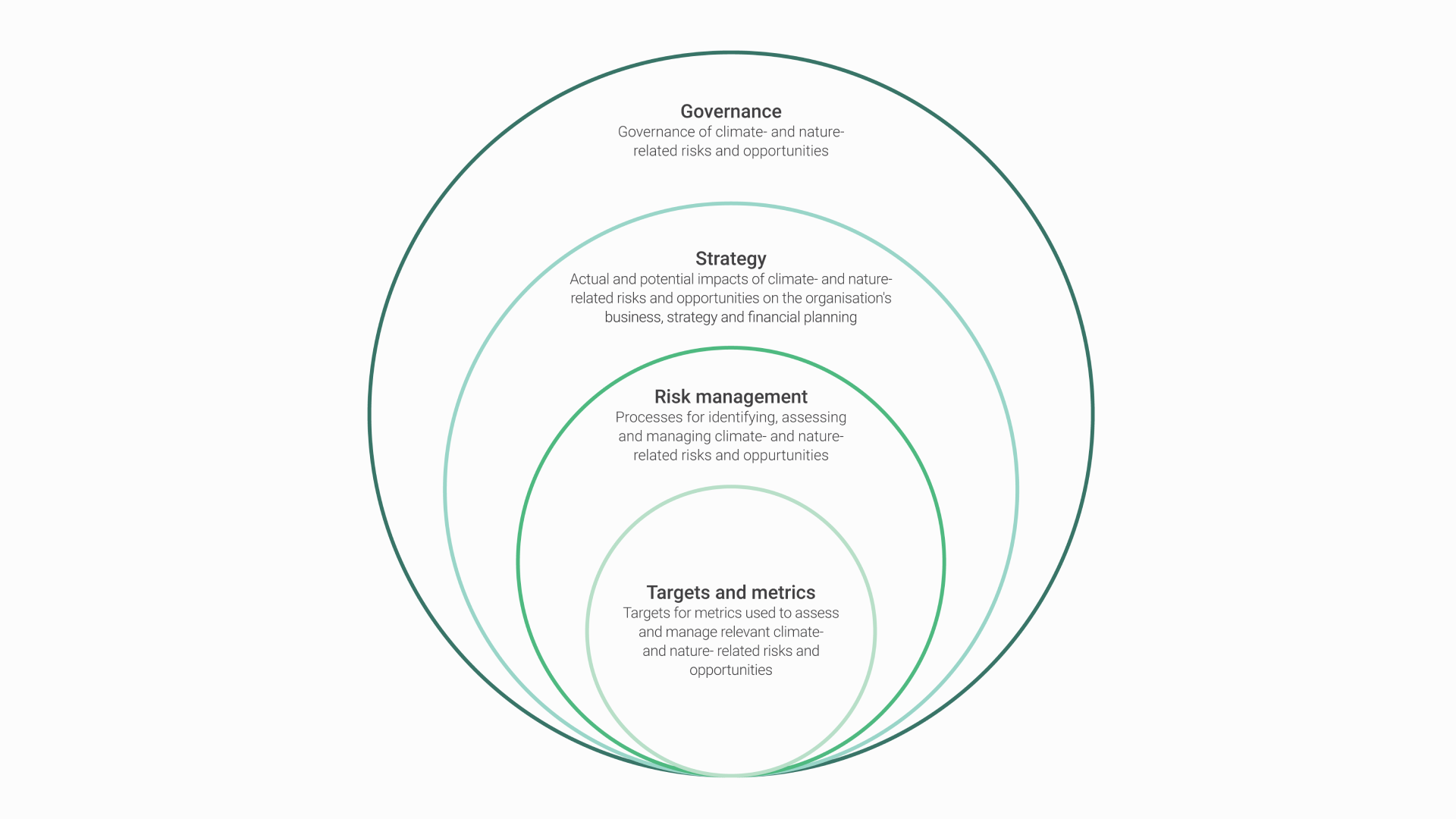
Summa Equity (“Summa”) has chosen to align with the frameworks Task Force on Climate-related Financial Disclosures (“TCFD”) and Taskforce on Nature-related Financial Disclosures (“TNFD”) to support the work of identifying and managing climate and nature-related risks and opportunities.

TCFD and TNFD framework

  • Governance

    A. Board of Directors
    B. Management
    C. Human rights

  • Strategy

    A. Identified impacts, dependencies, risks and opportunities
    B. Effects on Summa’s investment strategies
    C. Scenario analysis
    D. Geographical presence

  • Risk management

    A. Identification of impacts, dependencies, risks and opportunities
    B. Management of impacts, dependencies, risks and opportunities
    C. Integration of climate- and nature-related risks into risk management

  • Target and metrics

    A. Metrics for assessing risks and opportunities
    B. TCFD: Reporting concerning greenhouse gases. TNFD: Metrics of nature-related impacts and dependencies
    C. Targets

Governance

Summa’s management of climate and nature-related dependencies, impacts, risks, and opportunities

Summa is a purpose-driven, thematic investment firm that invests in and develops companies that provide new and innovative solutions for a more future-proof world. Summa is owned by its partners and the Summa Foundation.

Governance of our commitments and actions on climate and nature sits at the highest level of Summa – the Summa Board. The CEO has the overall responsibility for the operational work on climate change, depletion of natural resources, and biodiversity for Summa, but the strategic work is developed together with the thematic partners, the management team, and the impact director.

Strategy

The effects of climate- and nature-related dependencies, impacts, risks and opportunities on Summa’s business model and strategy

Summa was founded in 2016 with the aim of investing to solve global challenges. This means that Summa does not only manage the risks related to climate and nature, but also actively invests in companies that contribute to solving challenges related to climate and nature through their products and/or services. We fundamentally believe that this approach does not only futureproof the portfolio in terms of sustainability, we believe that it is also a prerequisite for good long-term financial returns. Summa integrates sustainability considerations, including climate and nature impacts throughout screening, analysis, due diligence, and the path to value creation.

Summa does not invest in certain sectors that are considered high-risk from a climate and nature perspective, e.g. fossil fuels, and mining.

Through active dialogue and collaboration, Summa also works to influence positive change within its portfolio, fostering a culture of sustainability and resilience, e.g. through impact roundtables where we invite representatives from the portfolio companies to discuss sustainability-related topics, including climate and nature.

In addition to risk mitigation, Summa seeks to capitalize on emerging opportunities arising from the transition to an economy within planetary boundaries. By investing in innovative solutions and technologies that address climate and nature-related challenges, Summa aims to generate positive environmental impact while delivering attractive returns for its investors.

Risk management

Identification, management, and integration in Summa’s overall risk management of climate and nature-related dependencies, impacts, risks, and opportunities

Summa has established processes to identify, assess, prioritize, and manage climate and nature-related risks throughout the investment process.

Climate and nature-related risks are systematically identified, assessed, and managed across the organization’s operations and investment portfolios. Summa integrates climate and nature-related risks into its overall risk management system and key risk indicators (“KRI”) reporting process. By incorporating climate and nature considerations into its risk management framework, Summa strives to mitigate potential adverse impacts on financial performance, operations, and stakeholder trust.

Metrics & targets

Metrics and targets used to assess and manage climate- and nature-related impacts, dependencies, risks and opportunities

Given the size of the companies Summa invests in, there are certain limitations to the data available on climate and nature, especially regarding supply chains. During our ownership, we support portfolio companies to become more mature on all climate and nature-related aspects, including identification, prioritization, management, and reporting.

All portfolio companies are required to report their GHG emissions and other sustainability-related information on an annual basis. The reported data is used to measure nature impacts based on Life Cycle Assessment (“LCAs”) in line with the European Commission’s Environmental Footprint (“EF”) method and use sector-based data through the ENCORE tool for a top-down assessment of the portfolio.

Summa has set Science-Based Targets (“SBTs”) for climate, including a commitment to align portfolio companies’ emissions reductions initiatives with the Science-Based Targets Initiative, ensuring that our investments contribute to global decarbonization efforts. Summa is still evaluating concrete nature-related targets, but the overall objective is to contribute to a positive development where nature, including biodiversity, ecosystems, and natural capital, is protected and thrives.

The Summa Summarum newsletter

Sign up to our newsletter

Latest readings

News

From toxic to thriving: Europe’s water health at a breaking point

Read more

Summa Equity acquires Peoplesafe, a leading workforce safety provider

Read more

Holdbart and Summa Foundation donate NOK 2 million to support food access in Norway

Read more

Securing the backbone of the digital economy: strengthening cybersecurity for SMEs

Read more
  1. Home
  2. Insights
  3. News
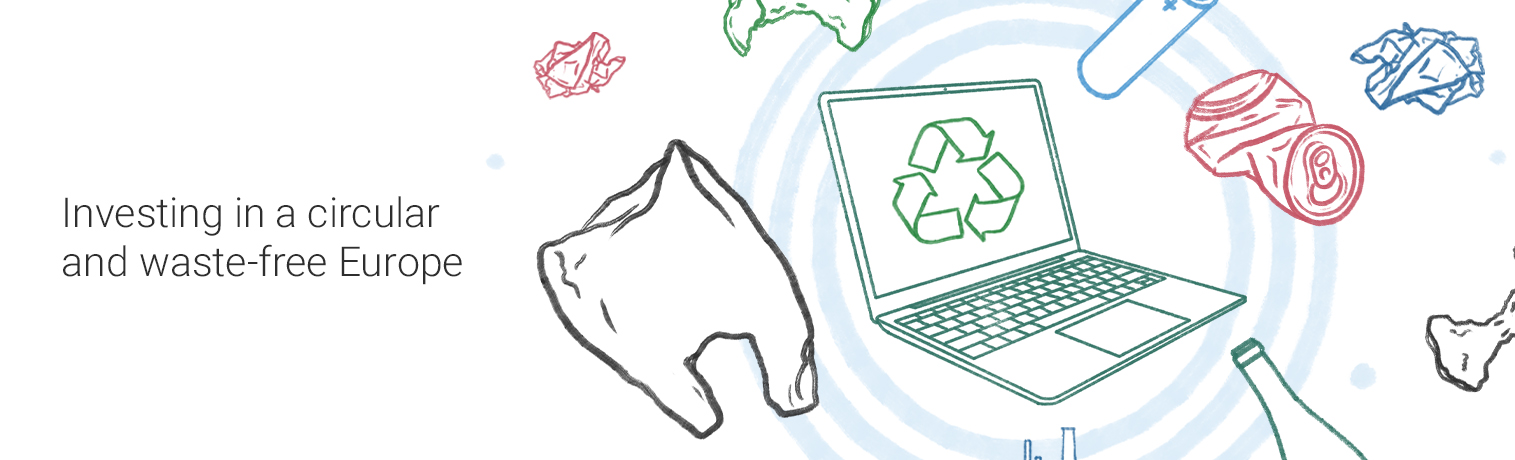
  4. Investing in a circular and waste-free Europe

Investing in a circular and waste-free Europe

Stockholm, April 19th – A report published today by Summa Equity (“Summa”) identifies EUR 230bn in investment needs by 2040 for new physical assets and infrastructure alone to enable the transition to a circular European economy. Also, the report highlights several opportunities across multiple sectors for the EU circular economy to reach its true potential.

  • News
  • Impact
  • Reports

4 min read

The report, “Investing in a circular and waste-free Europe,” is a sector-defining body of work which closely examines the current state of play in Europe. It highlights areas in which the EU is doing poorly, such as material production and disposal, which generates 850 Mt of CO2e per year, equivalent to 22% of total EU GHG emissions. The report, launched in conjunction with the Harvard Business School event “A trillion-dollar opportunity hiding in plain sight – the Circular Revolution”, sets a clear path toward future prosperity.

One of the most important opportunities identified by the analysis is the need for a new asset base for the circular economy: equipment, processing plants, and supporting infrastructure. The analysis estimates the cumulative investment needed in physical assets to be EUR 230bn by 2040. Such investments can also generate attractive returns, the analysis finds, with the valuation of circular markets potentially exceeding EUR 1.5tn by 2040.

Progress is being made in several regards: the EU has set targets for waste reduction and recycling in key sectors, carbon prices are rising rapidly, and companies are embracing circularity as part of their climate and sustainability strategies. Central to the Summa thesis is the need for companies to lead change and be a force for good, by implementing ESG policies and future-proofing their operations, decarbonizing at speed, and proposing solutions to systemic issues.

The report finds that “an enormous recasting of European markets for materials, waste and physical products” is due by 2030. In turn, circular business models could generate about EUR 265bn revenue in 2030, representing 15% of the physical consumer goods market, and EUR 450bn by 2040. Add savings from materials efficiency, as well as a projected quadrupling of the recycling industry, and the total revenue generated by Europe’s circular economy could be EUR 820bn by 2040. Greenhouse gas emissions could be cut by 650 Mt CO2e – equivalent to the combined emissions of France and Spain, or 55% of the total emissions from the material system in a 2040 business-as-usual scenario.

Summa Equity Founder and Managing Partner Reynir Indahl said:

“Our research and work explore the Theory of Change for achieving a waste-free and circular economy in Europe, which represents an enormous opportunity – a chance to recast the EU economy to sharply reduce waste, reduce emissions, become more self-sufficient, and maximize the value of the materials we use. With this, we seek to inspire, provoke thought, and stimulate discussion on how to drive the circular transition. Together, we can now shape a future where waste is not a problem, but a valuable resource for a prosperous, sustainable, and resilient Europe.”

Summa Equity Partner Bertrand Camus said:

“The circular economy provides Europe with a remarkable opportunity – the chance to build a revitalized, future-proof, economy, which will enhance the continent’s ability to reduce emissions and usher in a new era of industrial prosperity. As evidenced by the research, investment is required, but such outlays come with significant upsides and opportunity. Time is of the essence, and we must move fast.”

*** END ***

About Summa Equity

Summa invests in companies that are solving global challenges and creating positive Environmental, Social, and Governance (ESG) outcomes for society.

Summa’s purpose is to co-create win-win for investors, portfolio companies, and society through aligning its vision and outcomes to the Sustainable Development Goals, ensuring a net-positive impact against ESG challenges, and the potential for long-term, sustainable outperformance.

Investments are focused on industries and companies that have tailwind from megatrends within three sustainability themes: Resource Efficiency, Changing Demographics, and Tech-Enabled Transformation. Across these themes, Summa’s portfolio companies are supporting a world in transition and showing that business can be part of the solution. Summa Equity has c. EUR 4 billion (c. SEK 40 billion) assets under management.

summaequity.com

For interviews or more information, please contact:

Hannah Gunvor Jacobsen, Partner and Head of IR at Summa Equity
+47 936 41 960 | hannah.jacobsen@summaequity.com

The Summa Summarum newsletter

Sign up to our newsletter

Latest readings

News

From toxic to thriving: Europe’s water health at a breaking point

Read more

Summa Equity acquires Peoplesafe, a leading workforce safety provider

Read more

Holdbart and Summa Foundation donate NOK 2 million to support food access in Norway

Read more

Securing the backbone of the digital economy: strengthening cybersecurity for SMEs

Read more
  1. Home
  2. Summa Equity publishes Portfolio Report 2020

Summa Equity publishes Portfolio Report 2020

We are excited to release Summa’s fourth Annual Portfolio Report! Here, we wish to showcase Summa’s culture of constant improvement – we are continuously looking to enhance the way in which we analyze and communicate the link between financial performance and value creation impact. A key part of the Private Equity 4.0 approach is underpinned by building an understanding of key adverse impacts, which is as important to us as demonstrating the positive outcomes that are created.

  • Reports

1 min read

For this reporting cycle, we have in particular focused on aligning with the upcoming Sustainable Finance Disclosure Regulation (“SFDR”), structuring our monitoring to accommodate portfolio reporting on the Principal Adverse Impact indicators (PAIs).

We are also doing more to demonstrate how we work with governance in our portfolio, emphasizing the role of the Via Summa Compliance framework. The analysis of environmental impact is data driven, using actual company data and emissions factors based on scientific research.

This year we have gone digital so you can view key facts on the highlights page, read the full version online or download as PDF. You can also view the video below, where Alex and Hannah walk through some of the exciting updates to our reporting framework:

The Summa Summarum newsletter

Sign up to our newsletter

Latest readings

News

From toxic to thriving: Europe’s water health at a breaking point

Read more

Summa Equity acquires Peoplesafe, a leading workforce safety provider

Read more

Holdbart and Summa Foundation donate NOK 2 million to support food access in Norway

Read more

Securing the backbone of the digital economy: strengthening cybersecurity for SMEs

Read more
  1. Home
  2. Insights
  3. News
  4. Summa Equity publishes Portfolio Report 2019

Summa Equity publishes Portfolio Report 2019

We are very excited to share Summa’s third Annual Portfolio Report. Our intention with the report and the process behind it is to build an understanding of how we are contributing to the SDGs, what the correlations are with the portfolio’s financial performance, what the negative impacts are and where we need to improve.

  • News
  • Reports

2 min read

This year, we have further aligned our reporting with the norms defined by the Impact Management Project (IMP). This is part of our effort to continuously improve the clarity and quality of our portfolio report. While the norms are integrated into our screening process for new investments, we have in the portfolio report leveraged the IMP framework more clearly to improve our external stakeholder communication. While the commentary cannot address all relevant aspects, we believe it provides valuable insight into how the companies affect a broader set of stakeholders.

Normative, our provider of sustainability analytics, has again helped us compile the data and assess negative externalities. Although recent times have provided us all with some challenges, we have made several improvements to our data gathering processes and some enhancements to the methodology. We have also engaged extensively with our portfolio companies over the last year to improve the way we quantitively measure positive impacts.

We hope that you will enjoy reading about all the exciting solutions that our portfolio companies’ heroes are providing and how they make a difference to our world!

Download Summa Equity Annual Portfolio Report here.

The Summa Summarum newsletter

Sign up to our newsletter

Latest readings

News

From toxic to thriving: Europe’s water health at a breaking point

Read more

Summa Equity acquires Peoplesafe, a leading workforce safety provider

Read more

Holdbart and Summa Foundation donate NOK 2 million to support food access in Norway

Read more

Securing the backbone of the digital economy: strengthening cybersecurity for SMEs

Read more